How to Build a Luxury Brand
Luxury brands are often discussed as a category, a price tier, or an aesthetic style. Yet these surface characteristics explain very little about why some brands endure for generations while others fade away.
A luxury brand operates according to a different internal logic. It is not just optimizing for speed, volume, or constant reinvention. It is built to express coherence, uphold standards, and sustain meaning over time. Where many brands seek relevance through reaction, luxury brands cultivate authority through restraint. Where others chase visibility, luxury brands prioritize tenacity.
This distinction matters. Many businesses attempt to borrow the visual language of luxury without adopting the discipline that gives it credibility. The result is often confusion rather than elevation. A true luxury brand is not assembled through isolated tactics, but through a deliberate and strategic system of values, decisions, and expressions that reinforce one another consistently.
This article explores luxury branding as a structured practice rather than a stylistic exercise. It begins by clarifying what luxury truly represents, then moves through the principles that define a luxury brand, and the frameworks required to build, refine, and adapt a brand without compromising its core.
This perspective is informed by more than fifteen years working as an executive and advisor within the luxury industry, observing firsthand what distinguishes brands that endure from those that fade away.
The iconic houses share a common orientation: stewardship. They act as guardians of heritage and protectors of prestige, favoring controlled evolution over constant reinvention or dilution.
They are not managing companies in the conventional sense, but cultural institutions. As such, they are built to withstand wars, economic collapse, generational shifts in taste, and political upheaval—because they are always playing the long game.
The goal is not to glorify luxury brands but provide visibility into how they operate when they succeed, and why they fail when they depart from core principles.
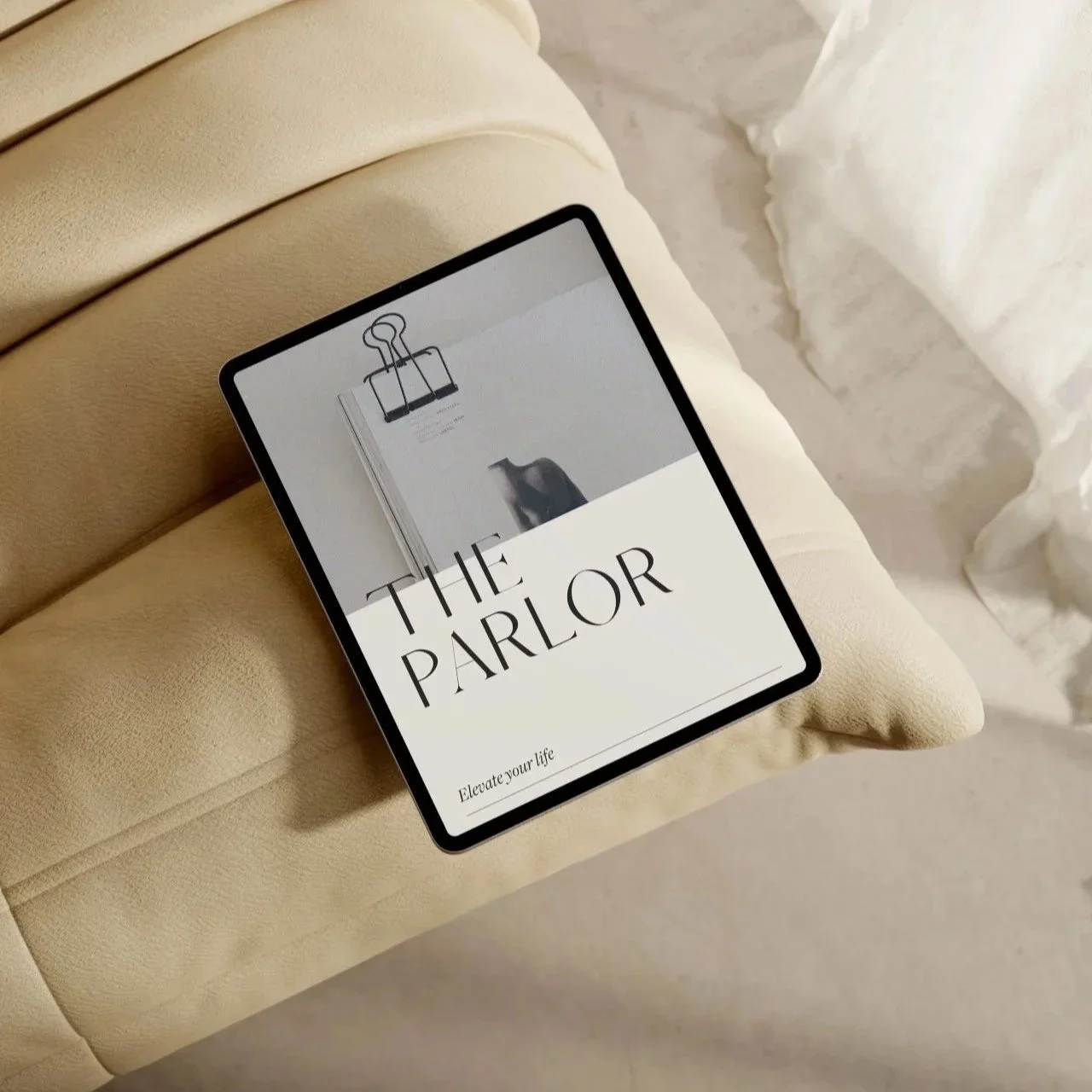
Join The Parlor
Sign up for complimentary access to our digital salon of exclusive articles and premium resources on luxury and elevated living.
What is Luxury?
Before a luxury brand can be understood, luxury itself must be defined beyond price and prestige. At its foundation, luxury reflects a particular relationship to the perception of quality.
Discernment
Luxury begins with discernment. It reflects the ability to choose intentionally rather than impulsively, guided by standards rather than excess. Discernment is not about having more, but about knowing what is worth keeping. This principle shapes how luxury is experienced and why it resonates with those who value depth over display.
Reverence
Historically, luxury emerged around what was rare, sacred, or treated with exceptional care. Fine materials, skilled craftsmanship, time-intensive processes, and thoughtful environments were elevated because they required devotion and attention. This reverence remains central. Luxury is inseparable from the respect shown to materials, methods, and the human effort behind them.
Autonomy
Luxury also reflects autonomy. It is tied to sovereignty over one’s resources and choices. Rather than constant urgency, luxury privileges deliberation. It favors intention over acceleration and presence over performance. This orientation toward autonomy explains why luxury resists trends that demand perpetual responsiveness.
These principles form the philosophical foundation upon which luxury brands are built. They shape not only what is offered, but how it is conceived, communicated, and protected.
What is a Luxury Brand?
A luxury brand is the disciplined expression of luxury as a philosophy. It functions as a system that translates discernment, reverence, and autonomy into a clear identity that can be experienced consistently over time. At its core, a luxury brand sustains three interconnected pillars that form the foundation for distinction and endurance.
Identity
Luxury brands are anchored in identity, especially history and heritage. This includes their origin story, creative legacy, and the meaning they have accumulated over time. Identity provides continuity. It allows a brand to evolve without becoming unrecognizable. Importantly, identity is not limited to age or tradition. Even newer luxury brands must articulate a clear reason for existence and a point of view that extends beyond products.
Integrity
Integrity governs how identity is upheld. Luxury brands operate from a stable set of values that inform decisions across strategy, design, production, marketing and partnerships.. This consistency builds trust. When values remain intact, consumers sense reliability and credibility even as collections, formats, or markets change.
Currency
The true currency of a luxury brand is emotional rather than transactional. Luxury brands trade in aspiration, symbolism, and resonance. They offer a way of seeing oneself and the world. This emotional dimension creates loyalty that cannot be replicated through utility alone. It is what allows a brand to maintain relevance without chasing attention.
What Iconic Luxury Brands Understand
Iconic luxury brands share a rare clarity around essence. Essence is the irreducible core of a brand, the underlying truth that remains intact regardless of changing contexts. It is not a slogan or a campaign theme. It is the internal compass that governs every outward expression.
Essence informs creative direction, product development, communication strategy, and customer experience. It explains why certain decisions feel inevitable for a brand while others feel misaligned. Brands that understand their essence are able to say no with confidence, preserving congruence even under pressure to expand.
Crucially, essence protects longevity. When growth, innovation, or cultural relevance are pursued without reference to essence, dilution follows. Iconic brands endure because they treat essence as non-negotiable. It is the source of their authority and the reason their presence remains recognizable across decades.

Building a Luxury Brand
Building a luxury brand is an act of architecture, and this is often where strategic advisory becomes valuable. It requires structure, foresight, and discipline. The following four dimensions (i.e. the 4Vs brand framework) establish the foundational blueprint of a luxury brand and determine whether it can sustain meaning over time.
Vision
Vision defines the long-term horizon of a brand. It articulates why the brand exists, what it aspires to represent, and what it consciously refuses to pursue. In luxury, vision is not concerned with rapid expansion or immediate relevance. It is oriented toward longevity.
A clear vision provides stability in moments of uncertainty. It prevents reactionary decision-making and protects the brand from being pulled in conflicting directions. Vision also creates internal alignment, giving teams a shared understanding of what matters and why certain choices are made. Without vision, even well-executed tactics lack cohesion.
Value
Value in luxury branding extends far beyond utility. It encompasses craftsmanship, material standards, design intelligence, cultural relevance, and symbolic meaning. Luxury brands invest in what may not be immediately visible because value accumulates through repeated encounters over time.
This dimension also includes the standards a brand sets for itself. Where shortcuts are taken, value erodes quietly. Where rigor is upheld consistently, trust is built. Value is not communicated solely through marketing. It is embedded in the product, the process, and the consideration shown in what is released.
Voice
Voice reflects how a brand thinks. It is expressed through language, tone, pacing, and narrative structure. Luxury brands do not speak to fill space or chase attention. They communicate with intention and clarity, allowing silence and selectivity to reinforce authority.
A disciplined voice avoids exaggeration and excess explanation. It assumes an intelligent audience and respects discernment. Over time, a consistent voice becomes recognizable, even without visual cues. It signals confidence rooted in self-knowledge rather than persuasion.
Visuals
Visual identity translates abstraction into form. It encompasses not only logos or color palettes, but the entire visual ecosystem a brand inhabits. This includes packaging, environments, digital interfaces, and spatial design.
In luxury, consistency matters more than novelty. Visuals must reinforce identity rather than compete with it. When executed with discipline, visual systems allow a brand to be instantly recognizable while remaining flexible enough to evolve. Visual consistency is not repetition. It is alignment.
Refining a Luxury Brand
Refinement is where luxury brands distinguish themselves most clearly. While many brands can establish a foundation, refinement (i.e. the 6Es framework) determines whether a brand feels elevated and timeless.
Ethos
Ethos represents the moral and philosophical center of a brand. It shapes how power, creativity, and influence are exercised. A clear ethos guides behavior internally and signals integrity externally. It ensures that success does not come at the expense of authenticity or credibility. This also governs how a brand engages with culture. Rather than exploiting moments, luxury brands act choose participation thoughtfully.
Exclusivity
Exclusivity is a function of boundaries. It is not about restriction for its own sake, but about maintaining meaning. When access becomes indiscriminate, significance diminishes. Luxury brands preserve desirability by carefully controlling availability, distribution, and scale.This also applies to partnerships and platforms. Every association communicates something about the brand. Selectivity protects clarity.
Expression
Expression translates essence into narrative and form. It encompasses storytelling, symbolism, creative direction, and the codes that distinguish a brand visually and culturally. Strong expression allows a brand to evolve creatively while remaining identifiable. This balance is critical. Expression that is too rigid becomes stagnant, but without grounding it’s confusing. Luxury brands refine expression continuously, ensuring it remains aligned with essence.
Elevation
Elevation refers to the cumulative raising of standards across all touchpoints. It is evident in how products are presented, how communication is handled, and how environments are curated. Elevation is felt through care and consideration. Importantly, this applies to the unseen as much as the visible. Internal processes, training, and attention to detail all contribute to the external experience.
Experience
Experience is where abstraction becomes memory. Luxury brands design experiences that feel intentional, personal, and memorable. These moments often define perception more strongly than the product itself. Experience is not about theatrics. It is about ethics. Every interaction should feel aligned with the brand’s principles.
Excellence
Excellence is sustained execution. It is not episodic brilliance, but consistent rigor. Luxury brands treat excellence as a discipline rather than an aspiration. Precision, follow-through, and reliability reinforce trust and authority over time.

Elevate Your Life
Embark on a guided experience to design a life of intention with a curriculum rooted in refinement and discernment.
Adapting a Luxury Brand
Evolution is unavoidable. The challenge for luxury brands is not whether to change, but how to do so without eroding identity which is why the following 4As framework is essential.
Awareness
Awareness requires attentiveness to cultural shifts, technological developments, and evolving expectations. This includes understanding the implications of AI, digital mediation, and generational change. Luxury brands that remain insulated from change risk irrelevance. Awareness provides the information needed to observe and then act wisely.
Alignment
Alignment is the filtering mechanism. It ensures that innovation serves the brand rather than distorting it. Every potential adaptation must be evaluated through the lens of essence, values, and long-term positioning. Alignment allows brands to remain contemporary without becoming trend-dependent. It favors identity over immediacy.
Authority
Authority allows a brand to engage change from a position of confidence. Rather than chasing cultural conversations, luxury brands shape them selectively. Authority is built through consistency and credibility. This dimension is particularly important in an era of accelerated cycles and constant visibility. Authority stabilizes perception.
Adoption
When adoption occurs, it is deliberate. Technologies such as AI may support personalization, efficiency, or insight, but they must never replace the human discernment central to luxury. Tools are employed to enhance not automate meaning. Adoption should feel integrated rather than imposed.
Luxury as Stewardship
Luxury brands are not content machines or trend accelerators. They are cultural institutions focused on strategic stewardship. Their responsibility lies in preserving meaning, maintaining standards, and contributing thoughtfully to the environments they inhabit.
The most enduring luxury brands evolve slowly and deliberately. They resist unnecessary urgency. They understand that relevance achieved through compromise is fleeting, while authority earned through consistency endures. To build a luxury brand is to commit to guardianship. Not only of products or aesthetics, but of values, intention, and trust over time.
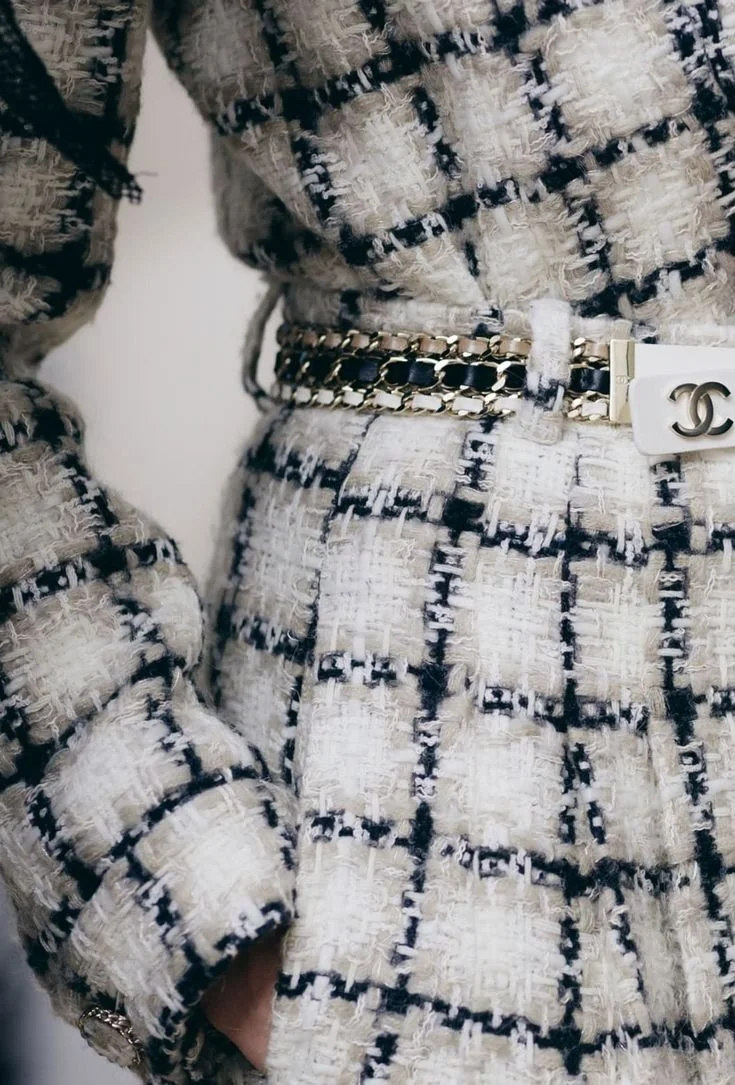
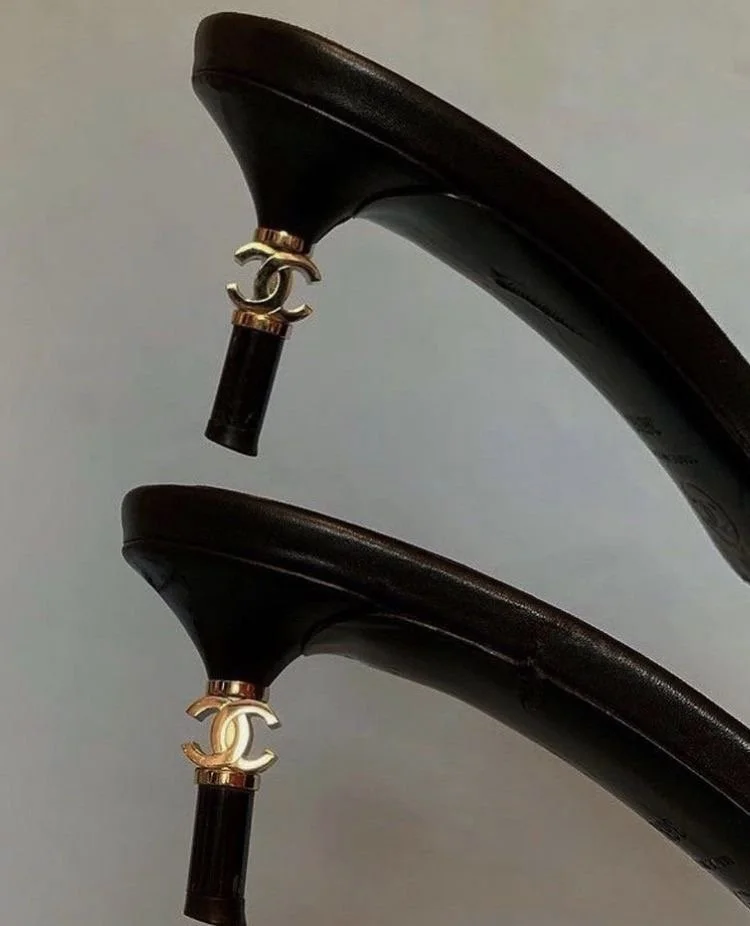
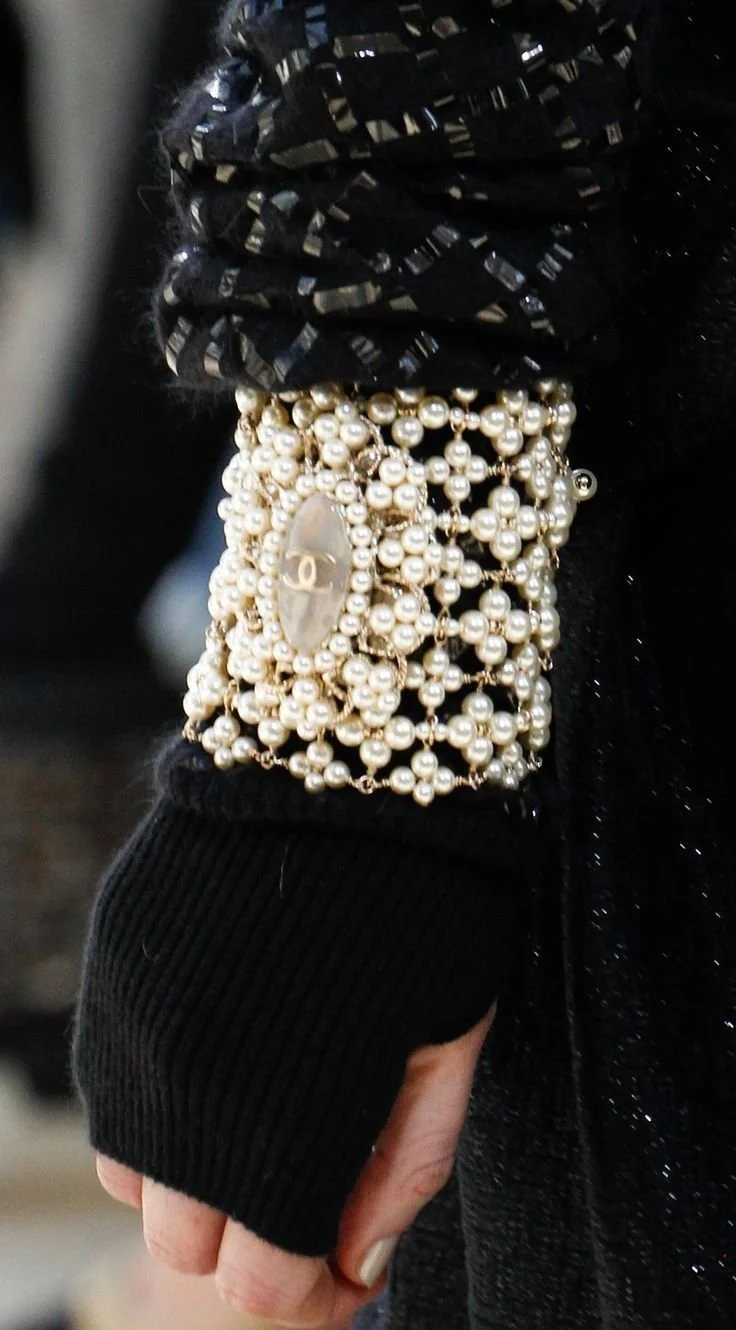
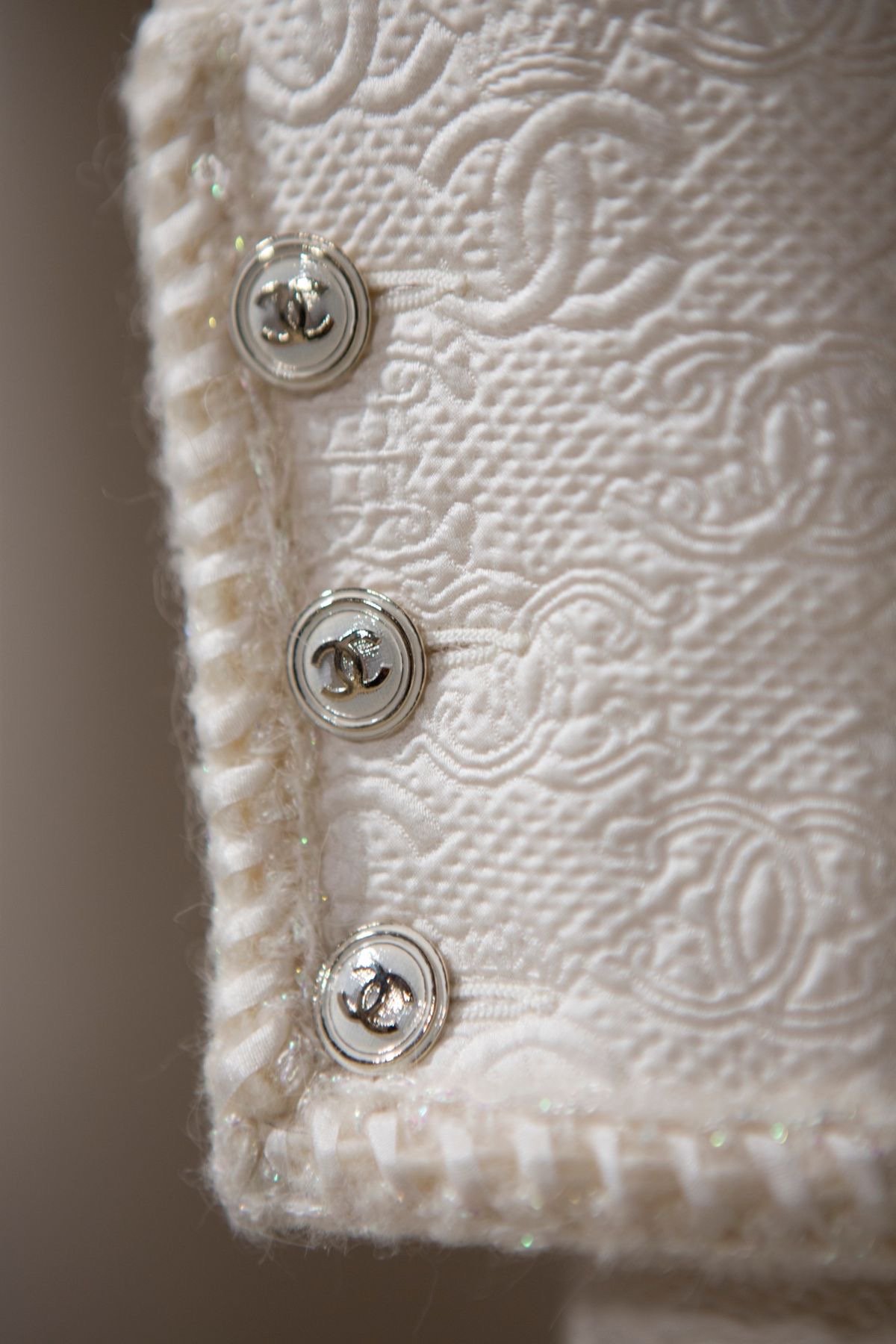
To illustrate this, we’ve prepared a downloadable case study on Chanel—one of the rare brands to sustain cultural authority, commercial power, and aesthetic coherence for more than a century. It is structured using the same frameworks introduced in this guide, offering a clear, applied reference for how luxury branding principles function in practice.
About Viveura
Viveura is a cultural and philosophical publication offering thoughtful perspectives and aesthetic inspiration on the art of living well. Viveura was designed by Everesse, a boutique brand atelier and luxury brand consultancy.
The Archive is the primary home and intellectual core of our publication. There you’ll discover a repository of evergreen essays and definitive guides on luxury, beauty, society, identity, and prosperity.
The Parlor is our digital salon and social destination hosted on Substack. Upgrade or become a patron to unlock a deeper layer behind our articles via exclusive syllabi, curated resources, guided prompts, and bonus workbooks.
The Course is an immersive study on how to elevate your life. Enroll to access a comprehensive curriculum that helps you design a conscious luxury lifestyle tailored to your distinct tastes and personal preferences.