Contrast
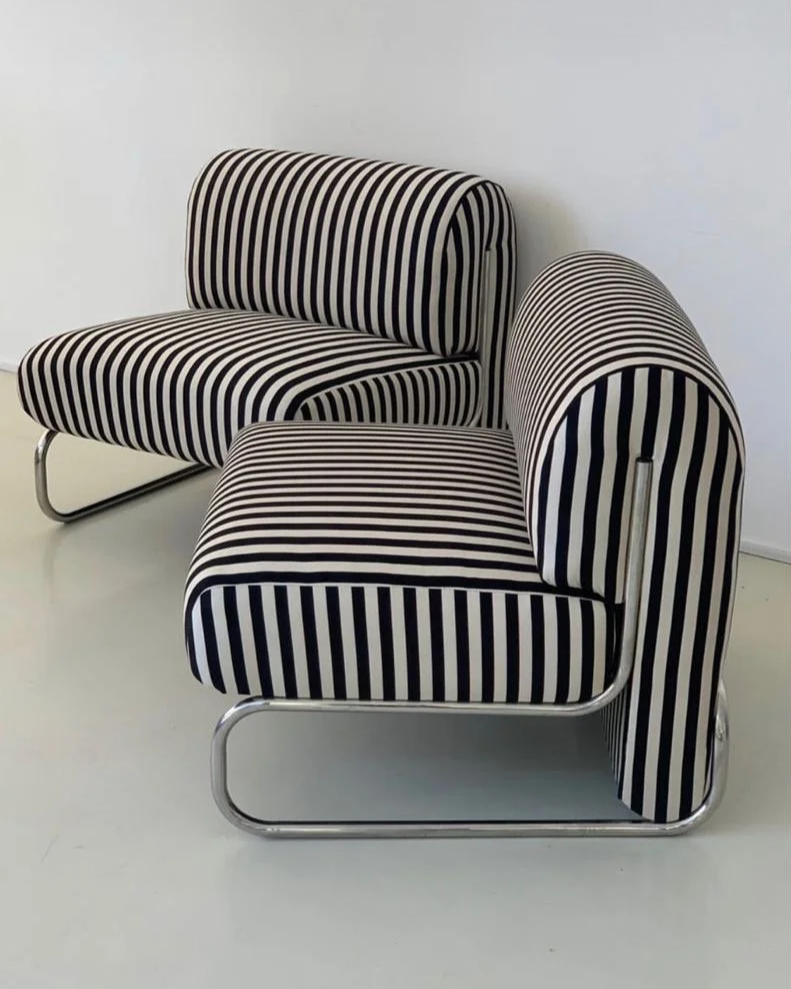
Source: Cosmos
Many belief systems, such as Taoism, teach that the essence of life is held in the balance of opposing forces.
One of the ideas I’ve returned to often is contrast—not only in beauty, creativity, or luxury, but in the deeper sense: the philosophical and the spiritual. Light only exists because of its relationship to darkness. Joy is understood through its comparison to sorrow. Goodness is defined by its proximity to the “bad” that challenges it. Even the simple notion of “up” has no meaning without “down.”
These polarities are the architecture of human experience. But because the concepts are so abstract, they can feel difficult to fully grasp. That’s why I find aesthetic fields so compelling. When you move past the surface and superficial, beauty becomes a language, and a way of visualizing philosophical truths that would otherwise stay theoretical.
Luxury, design, fashion, and art give form to the idea that tension is not something to avoid but something to understand, work with, and appreciate. And this brings me back to what inspires me most: aesthetic tension that resolves itself.
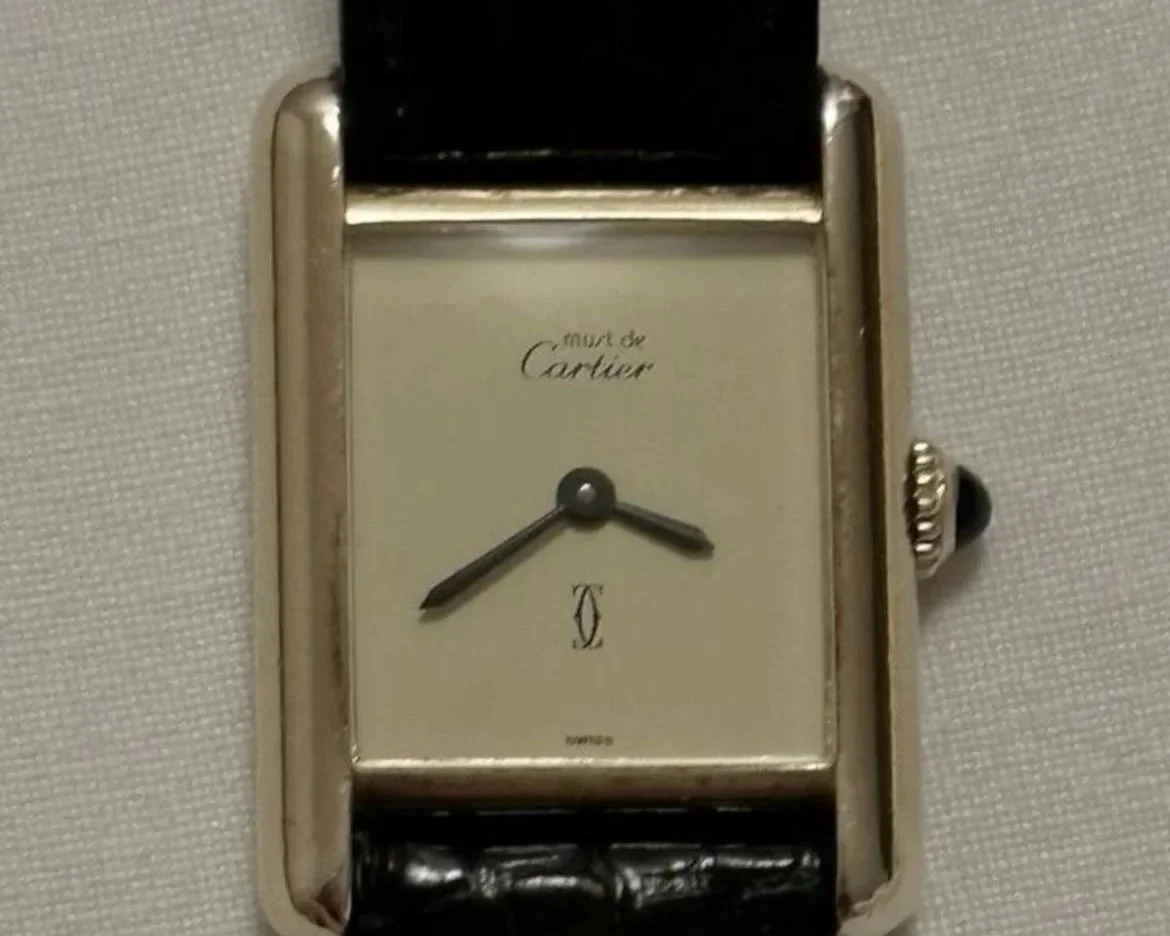
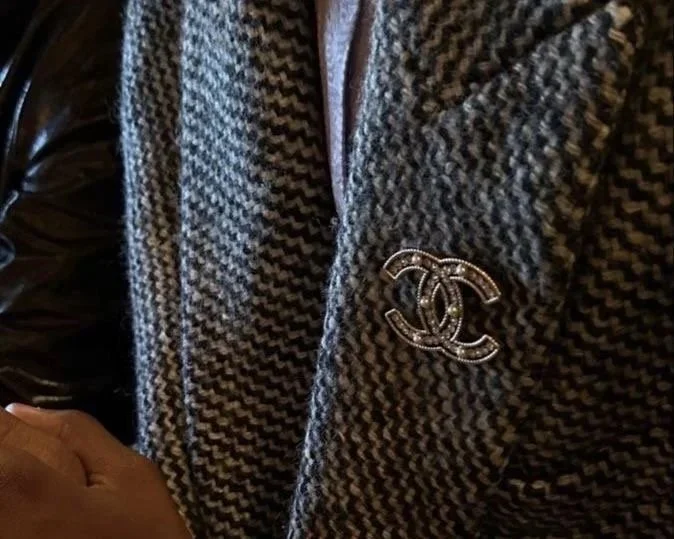
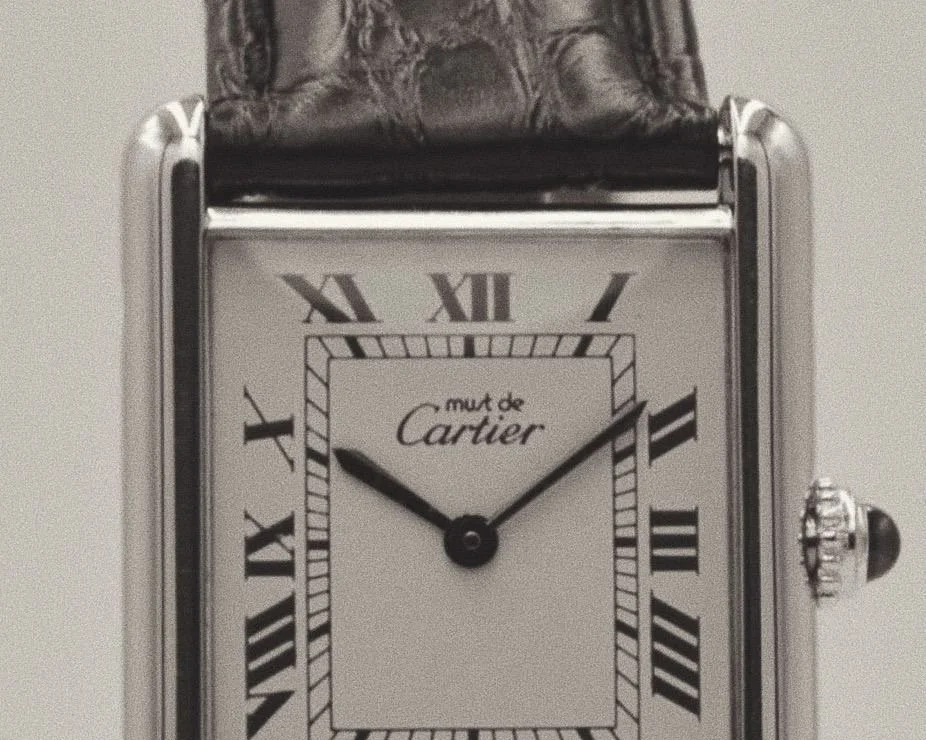
Seemingly contrasting elements that become unexpectedly complementary. Black and white. Beauty and utility. Masculine form meets feminine ease. The sharpness of chrome against relaxed silhouettes. These pairings create a modern mood that feels polished and refined, yet inviting.
What makes contrast so powerful is not merely the visual interplay, but the underlying principle: difference creates definition. A supple shape is only fully noticed when placed against something rigid. Minimalism feels more intentional when compared to opulence. Even the smallest detail can become striking when given the right counterpoint.
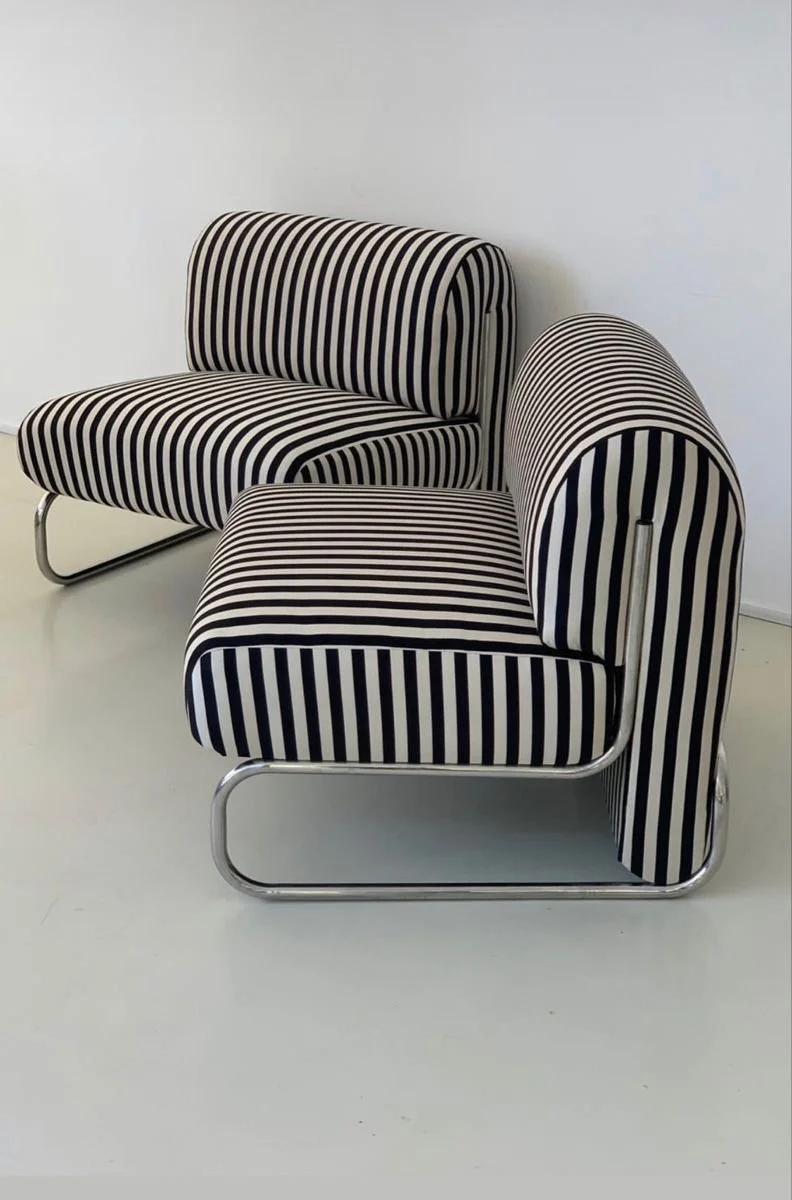
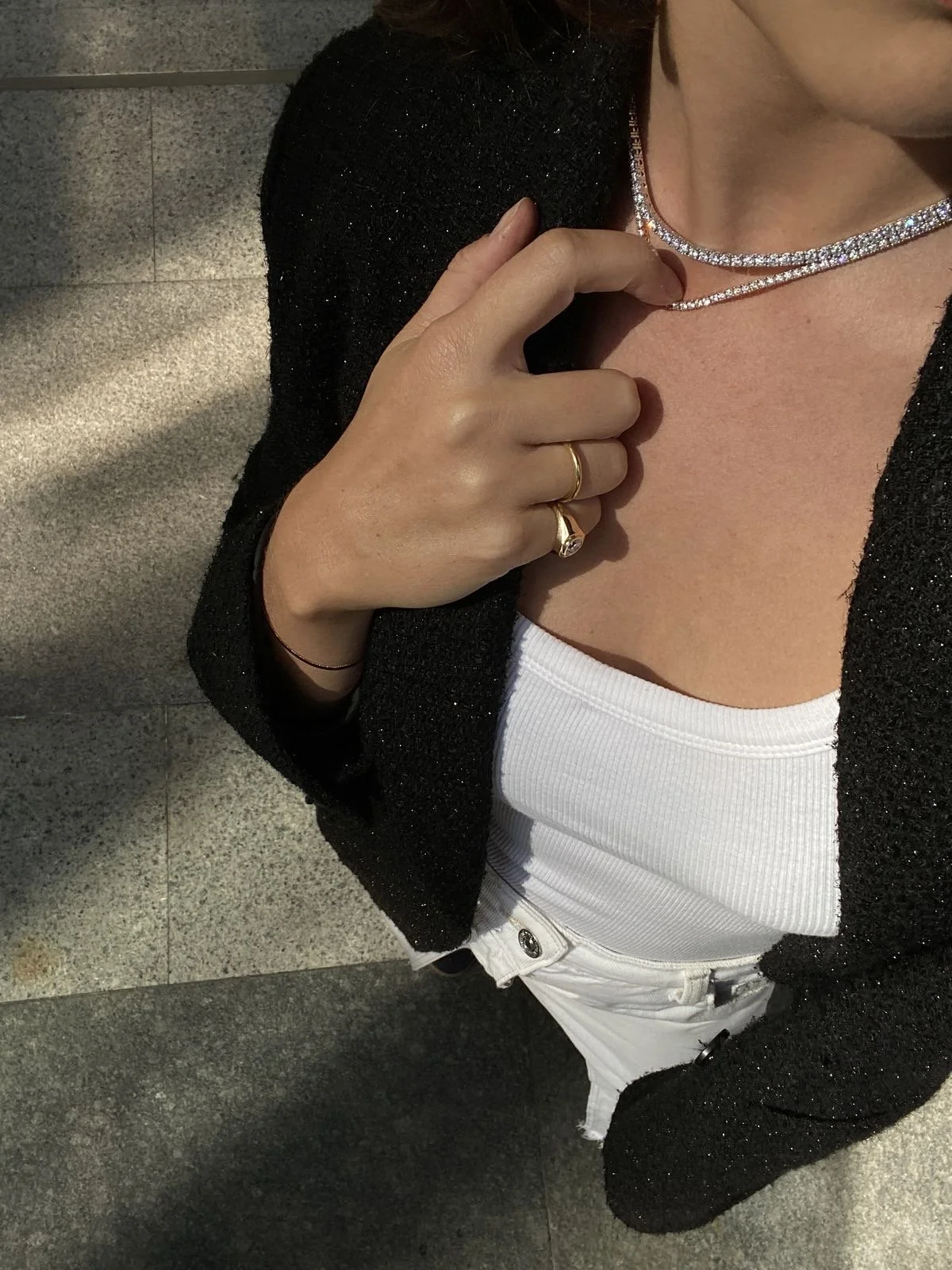
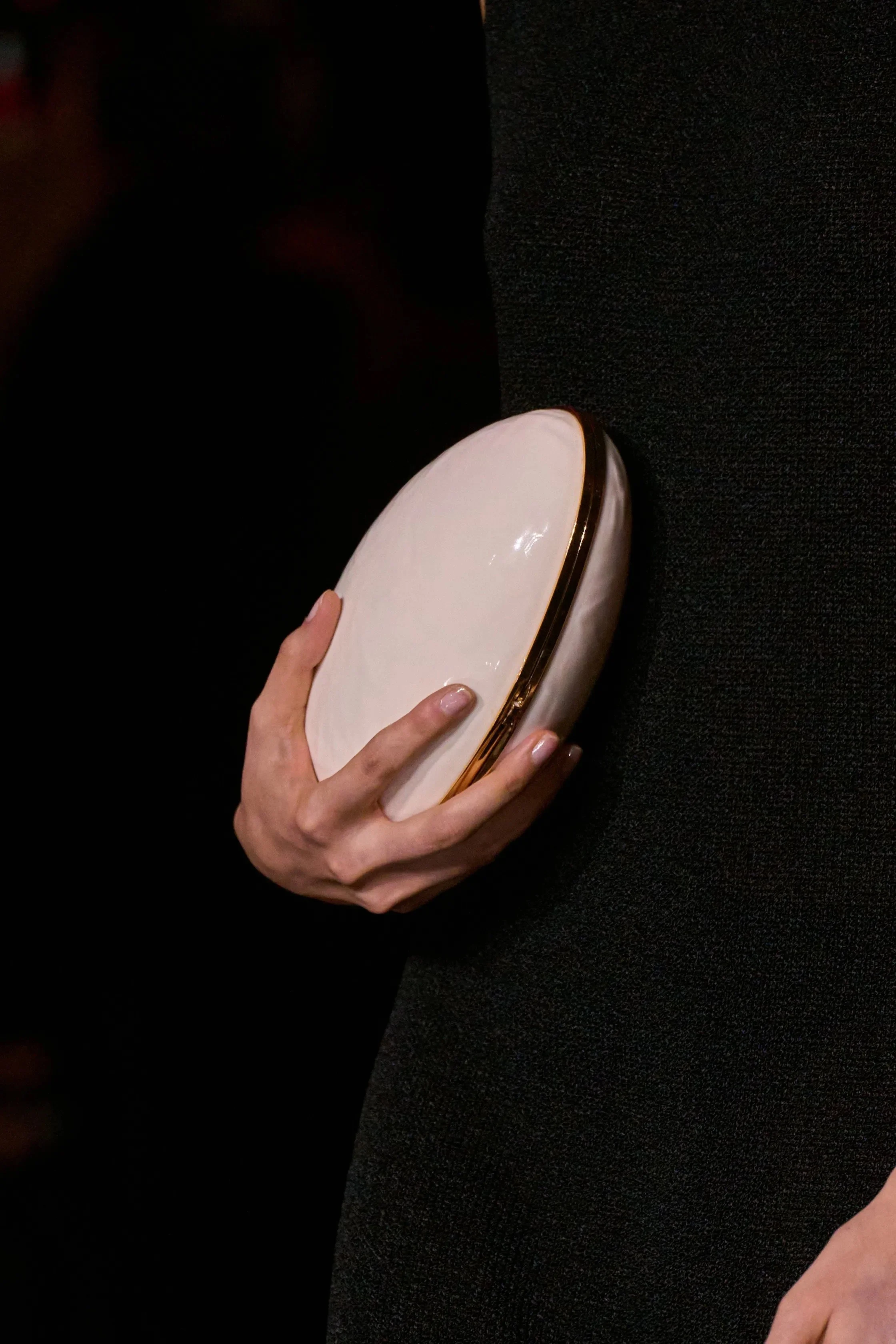
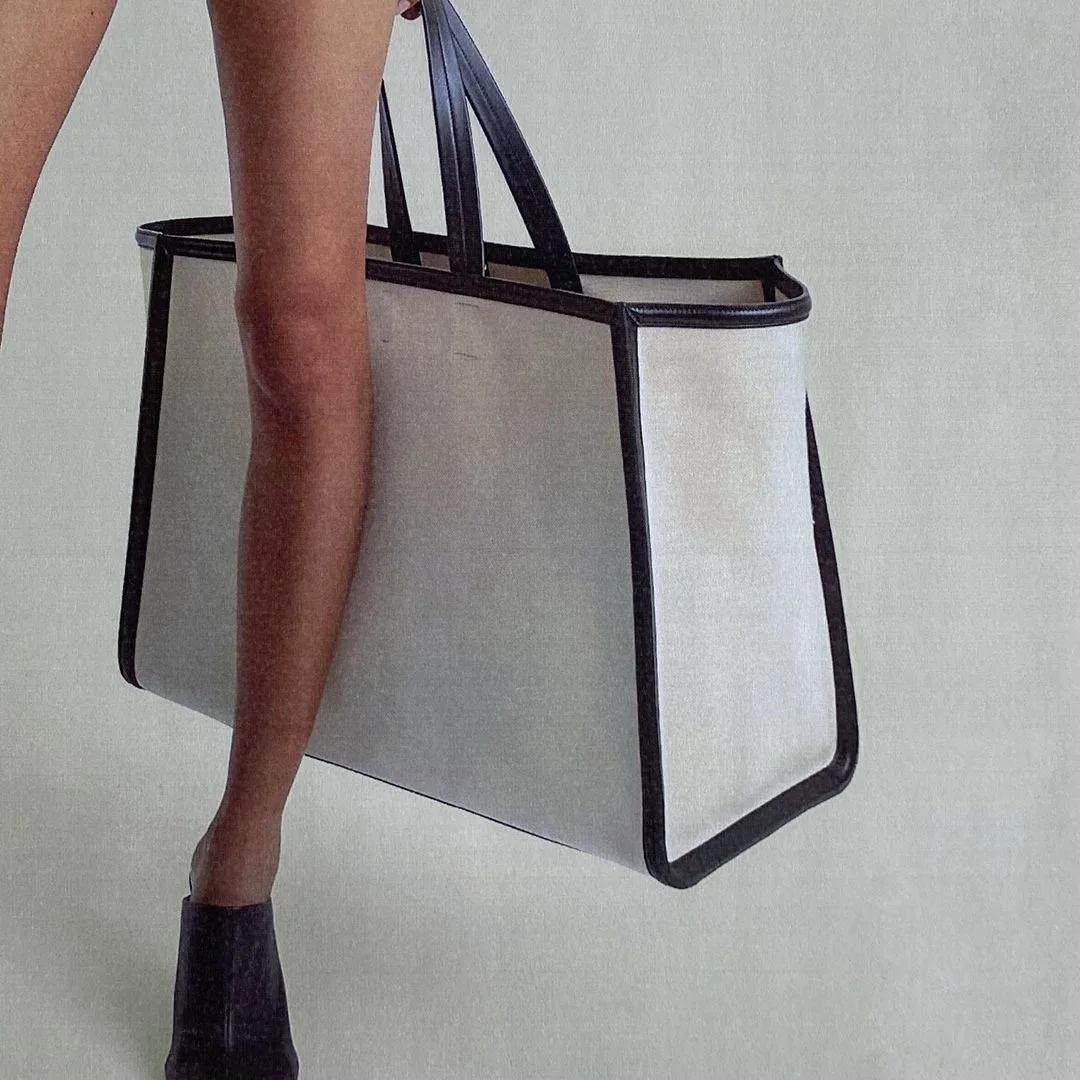
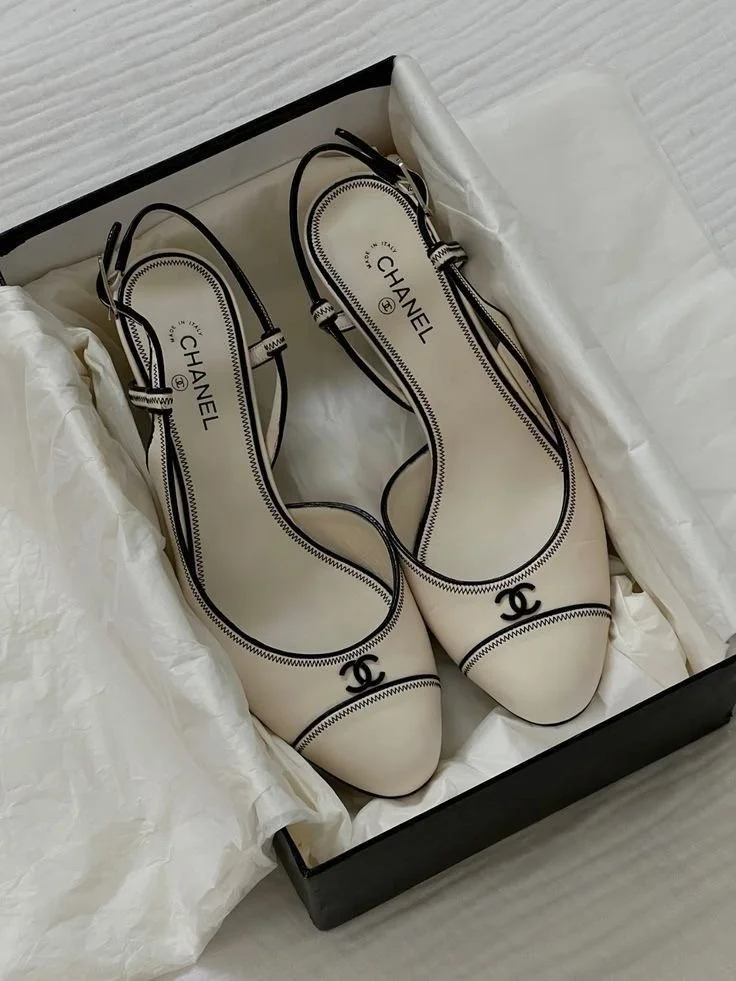
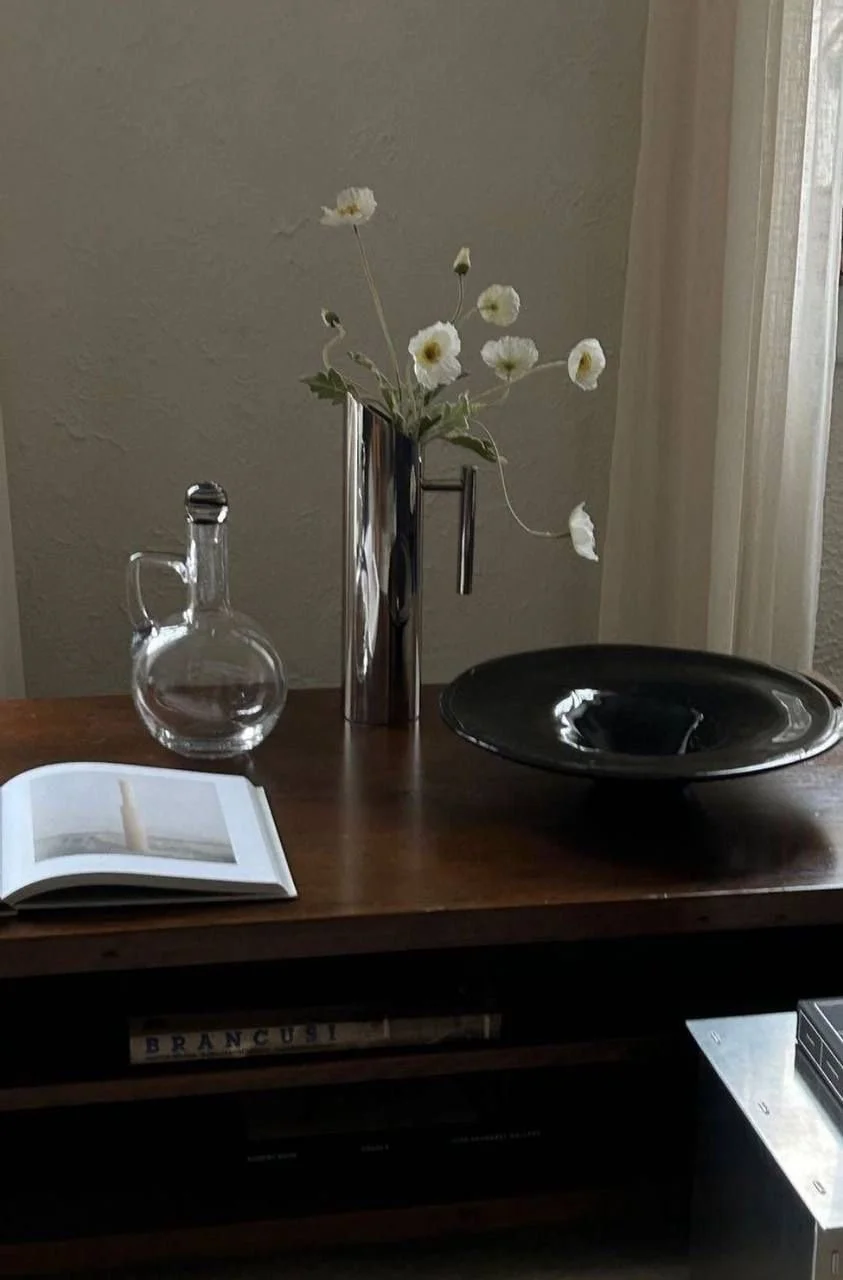
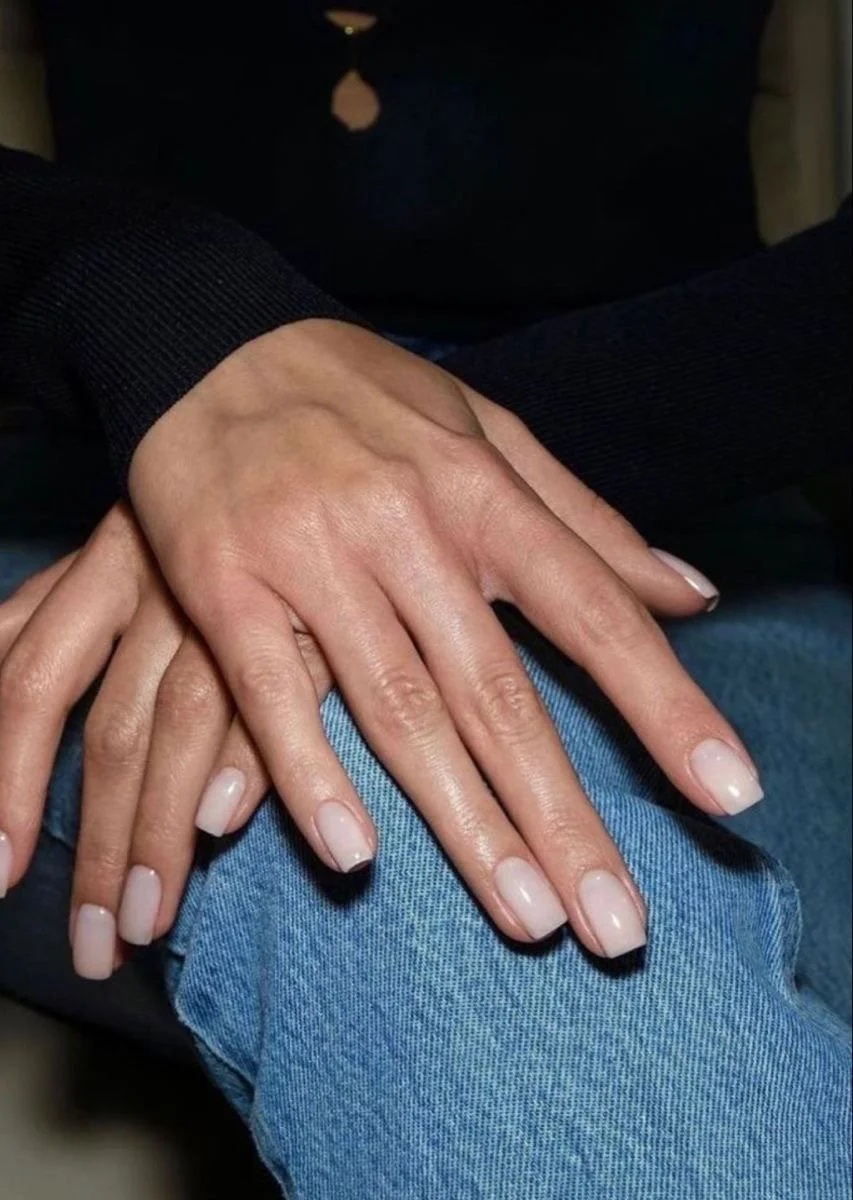
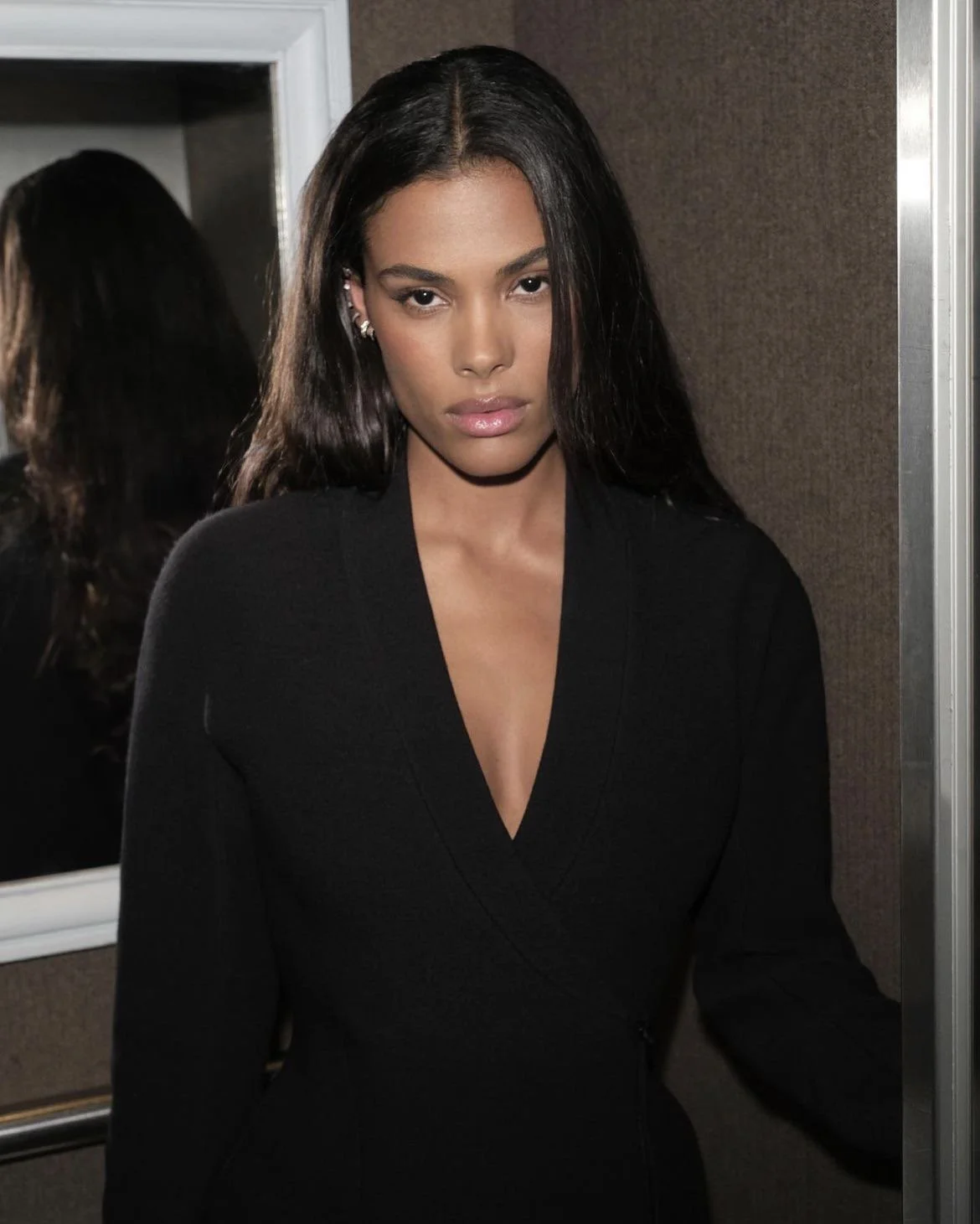
We’re drawn to imagery infused with contrast because it immediately creates depth. This is why black and white remains a perennial favorite in style. It’s simple, yet visually arresting, because the opposition sharpens both elements.
The same holds true in fashion imagery: a feminine face framed by a sharply tailored suit, or an oversized menswear-inspired piece draped over a delicate frame. These pairings captivate us because they express balance through opposition.
In the aesthetic fields, we instinctively gravitate toward designs that hold this duality. They feel alive, dimensional, and compelling precisely because tension is built into their beauty.
In many ways, this mirrors how we grow. Life is a constant balancing act between opposing forces: discipline and desire, ambition and rest, self-expression and restraint. The most aligned versions of ourselves aren’t formed by choosing one extreme over another, but by learning how to hold both. We refine ourselves through the tension, not by avoiding it.
Contrast teaches discernment. It sharpens your eye, strengthens your instincts, and helps you understand what actually feels aligned. When beauty and utility intersect, you realize your preferences are not random; they are the architecture of your identity. When your softness meets your structure, you become more fully yourself.
A life without contrast is flat. A wardrobe without contrast is predictable. A mind without contrast is unchallenged. But when you embrace the interplay, something interesting happens: the conflict between opposing elements creates coherence.