Admiration
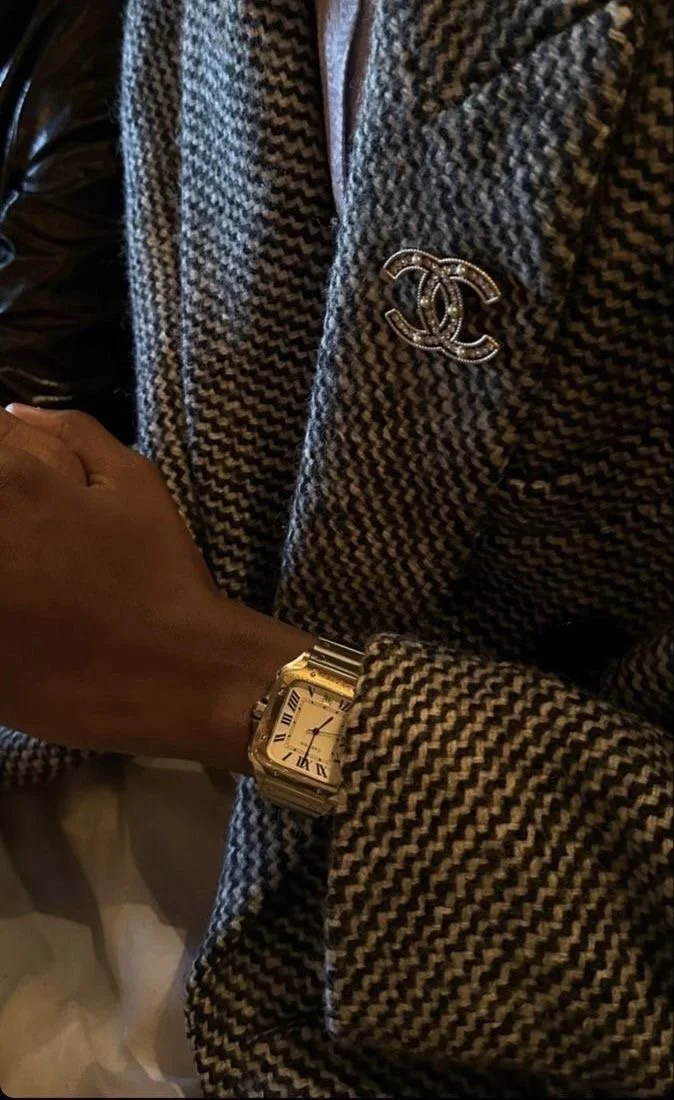
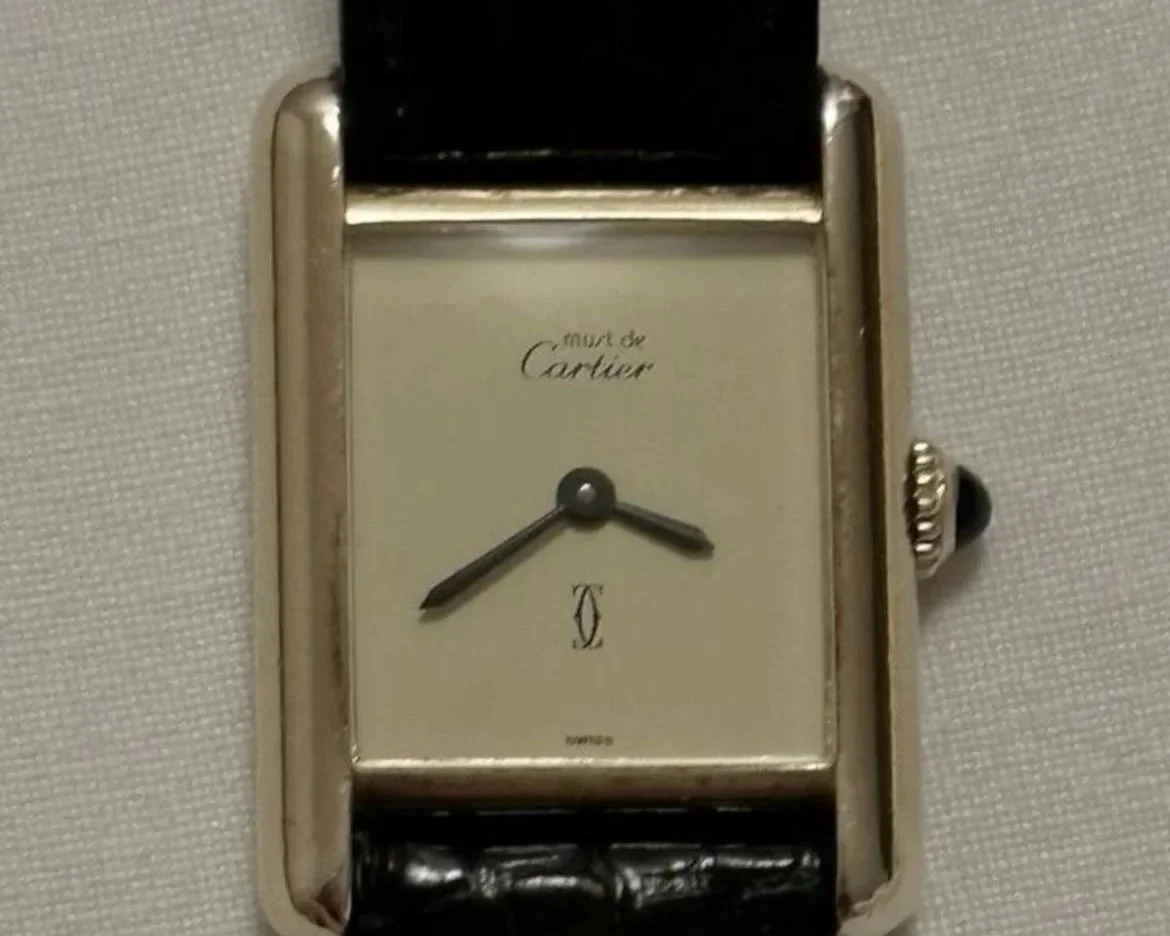
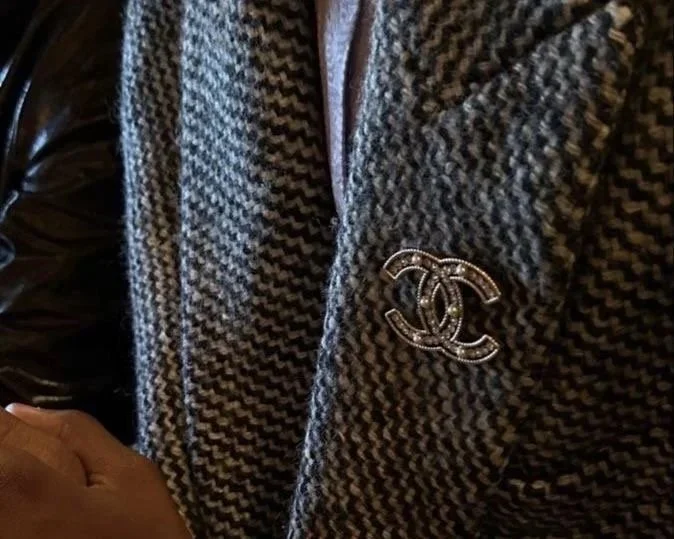
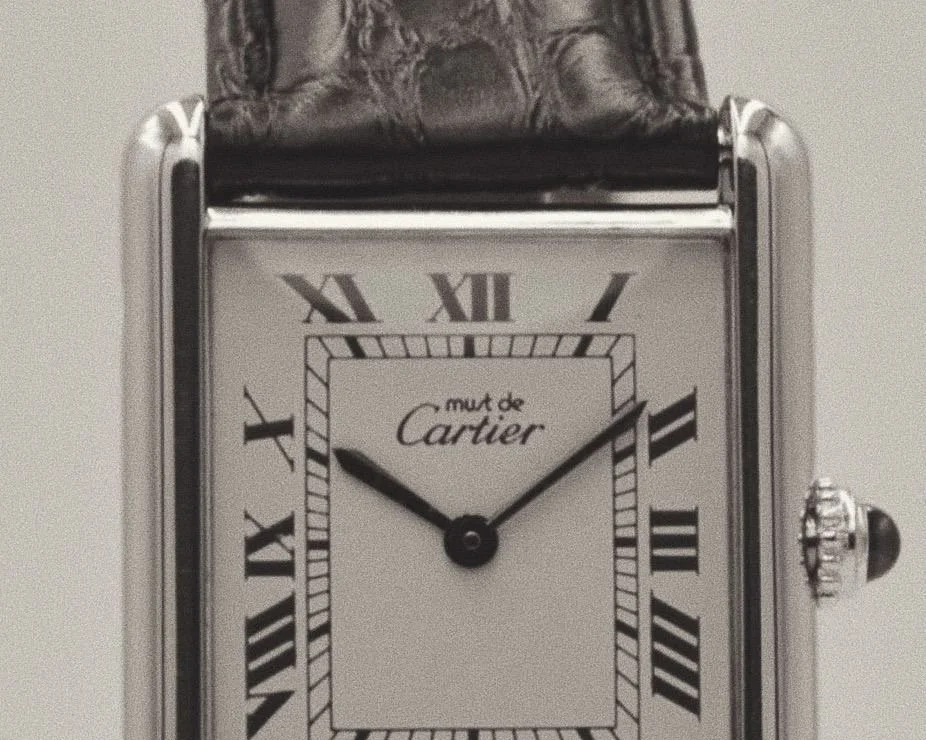
Not everything you like needs to belong to you. You can be fond of something without coveting it. And not everything you like is worth having.
Learning to admire without desire is a skill that allows you to derive great delight from appreciation of all the different pleasures of life, without diminishing that joy with the need to possess them.
Let admiration be its own reward, not an act of acquisition.
Lately, I’ve been refining the art of appreciation — which I define as the ability to admire without desire. True appreciation is untainted by longing; it asks nothing of the object, seeks no ownership, and carries no agenda.
When I already own something, I simply savor it. But when I don’t, appreciation remains pure only so long as I resist the urge to covet. The moment admiration turns into wanting, it shifts from love to lack.
Most people confuse appreciation with desire because both arise from recognition of value. But desire grasps — it wants to have and hold. Appreciation, by contrast, allows distance. It’s the still, open gaze that honors beauty as it is, without trying to capture it. Desire consumes; appreciation contemplates.
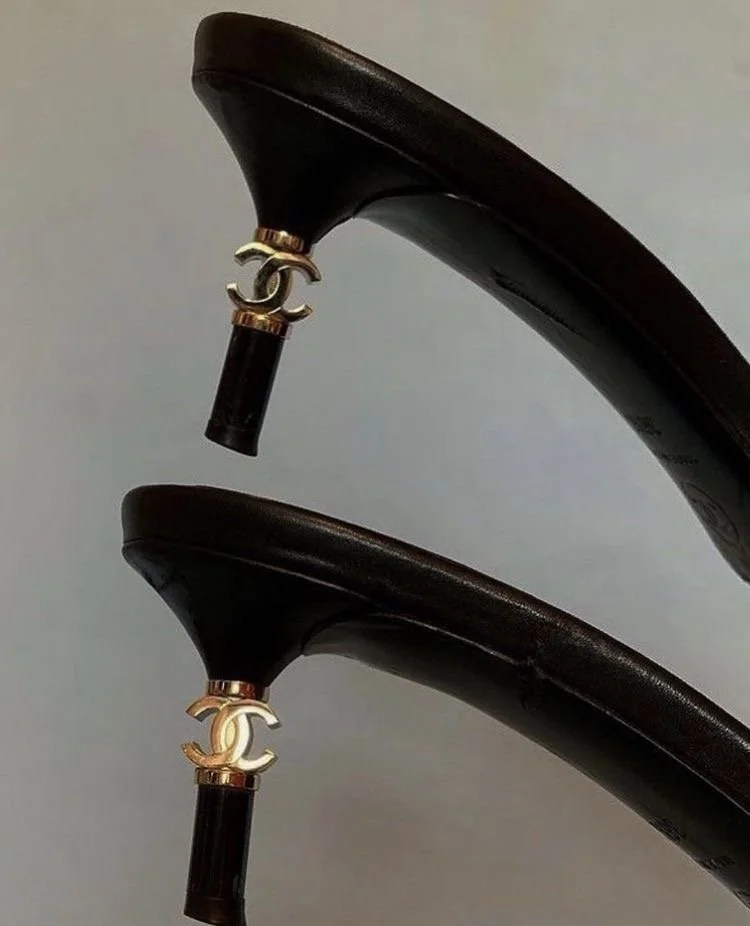
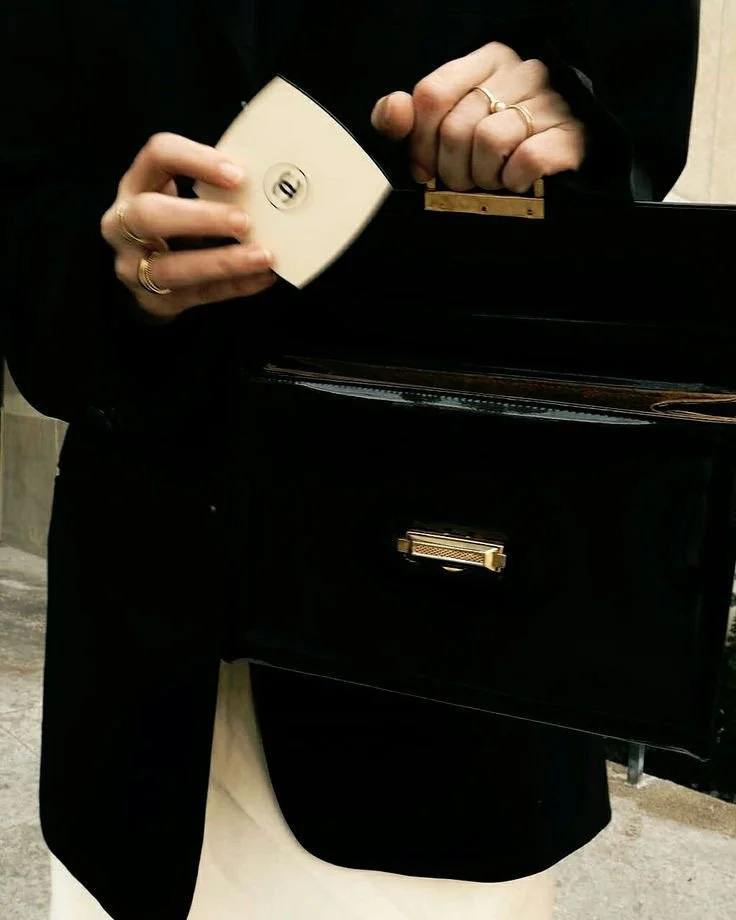
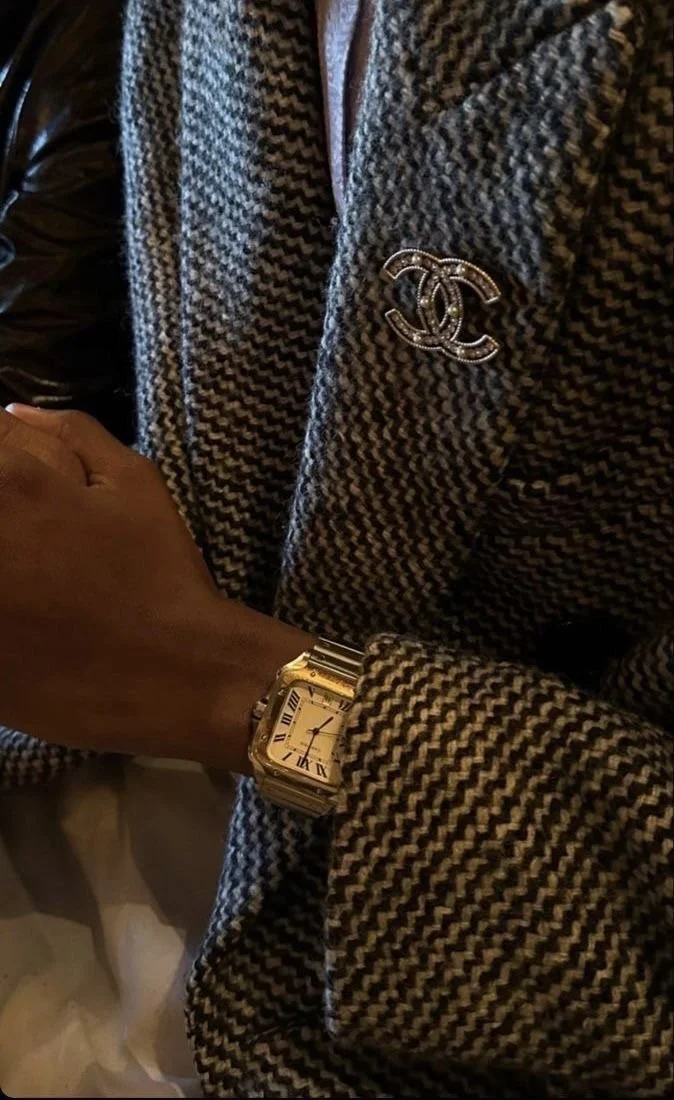
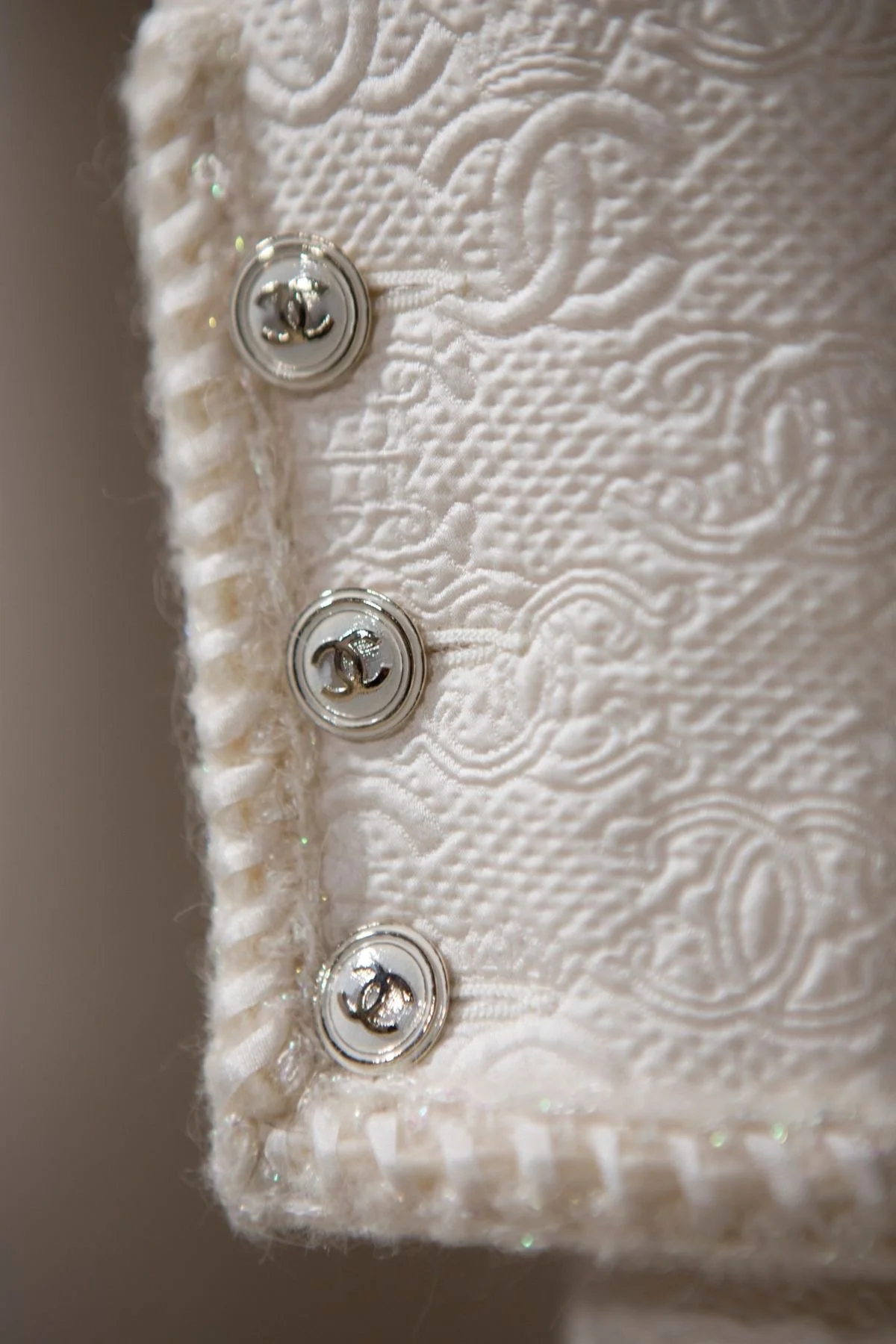
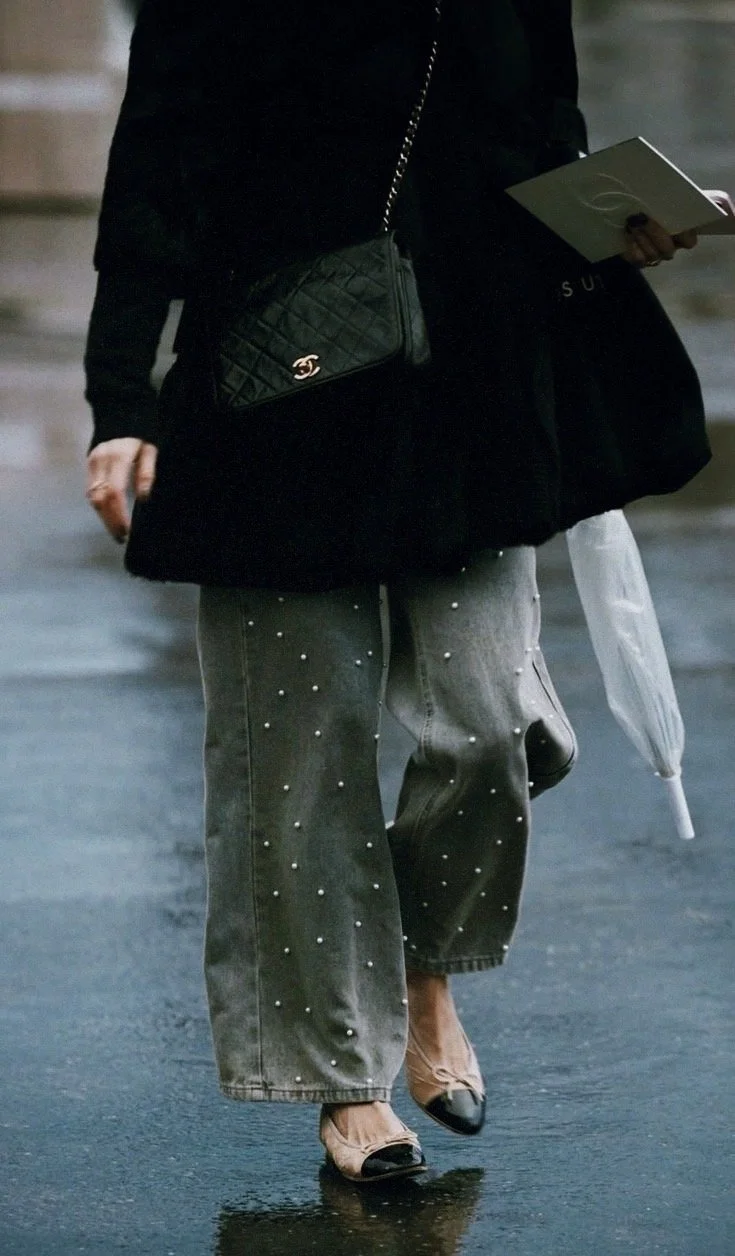
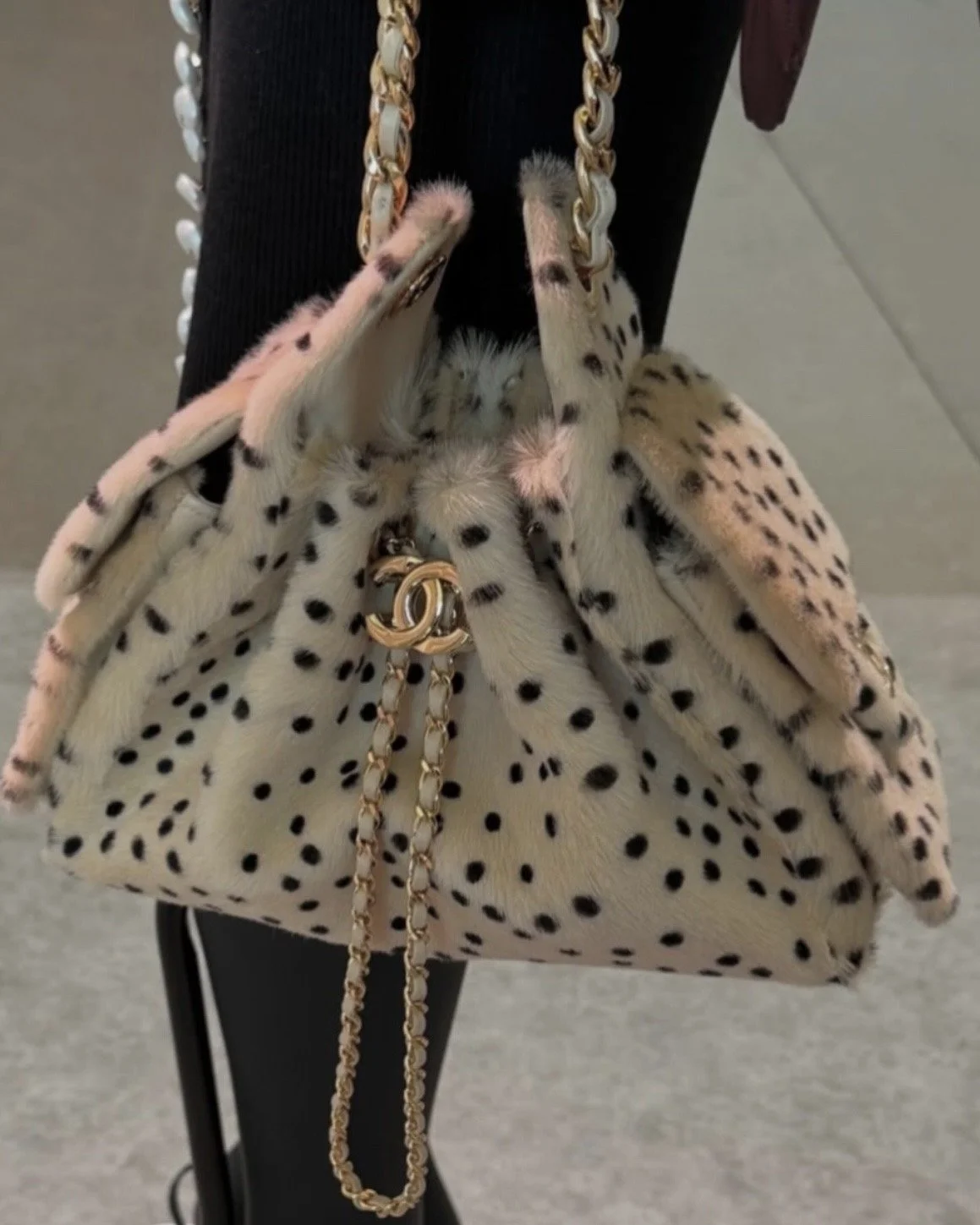
To truly appreciate is to experience fulfillment in the act of noticing alone.
It’s a kind of inner wealth — the ability to be moved by something without needing to possess it. In this sense, appreciation is not a transaction but a meditation. It teaches sufficiency. It reminds us that some things are meant to be admired from afar, that its allure is in its inaccessibility.
We live in a culture that too often equates admiration with acquisition: if you enjoy it, purchase it; if it inspires you, obtain it. But the richest form of living often comes from resisting this impulse.
An experience can move you without needing to be photographed, a dress can enchant you without needing to hang in your wardrobe, a destination can stir your imagination without requiring relocation.
When you allow admiration to stand on its own, free from the grip of desire, you begin to notice how expansive beauty really is. The scent you pass on the street, the painting glimpsed in a gallery, the elegance of a passing stranger — all of these become treasures in their own right.
You don’t need to own things to be nourished by them.
When we constantly seek to acquire, we dull our sense of wonder and lose the sacred pause between seeing and having. And in doing so, we dull our sensitivity to wonder. To appreciate purely is to return to that pause — to let beauty exist for its own sake, unclaimed, yet still deeply felt.
This practice turns every encounter into a gift: fleeting yet unforgettable, weightless yet profound. It frees you from the burden of accumulation and leaves you with the essence of joy itself. True luxury, after all, is not accumulation but discernment — the ability to admire widely while being selective about what you claim as yours.