Why Quiet Luxury Endures
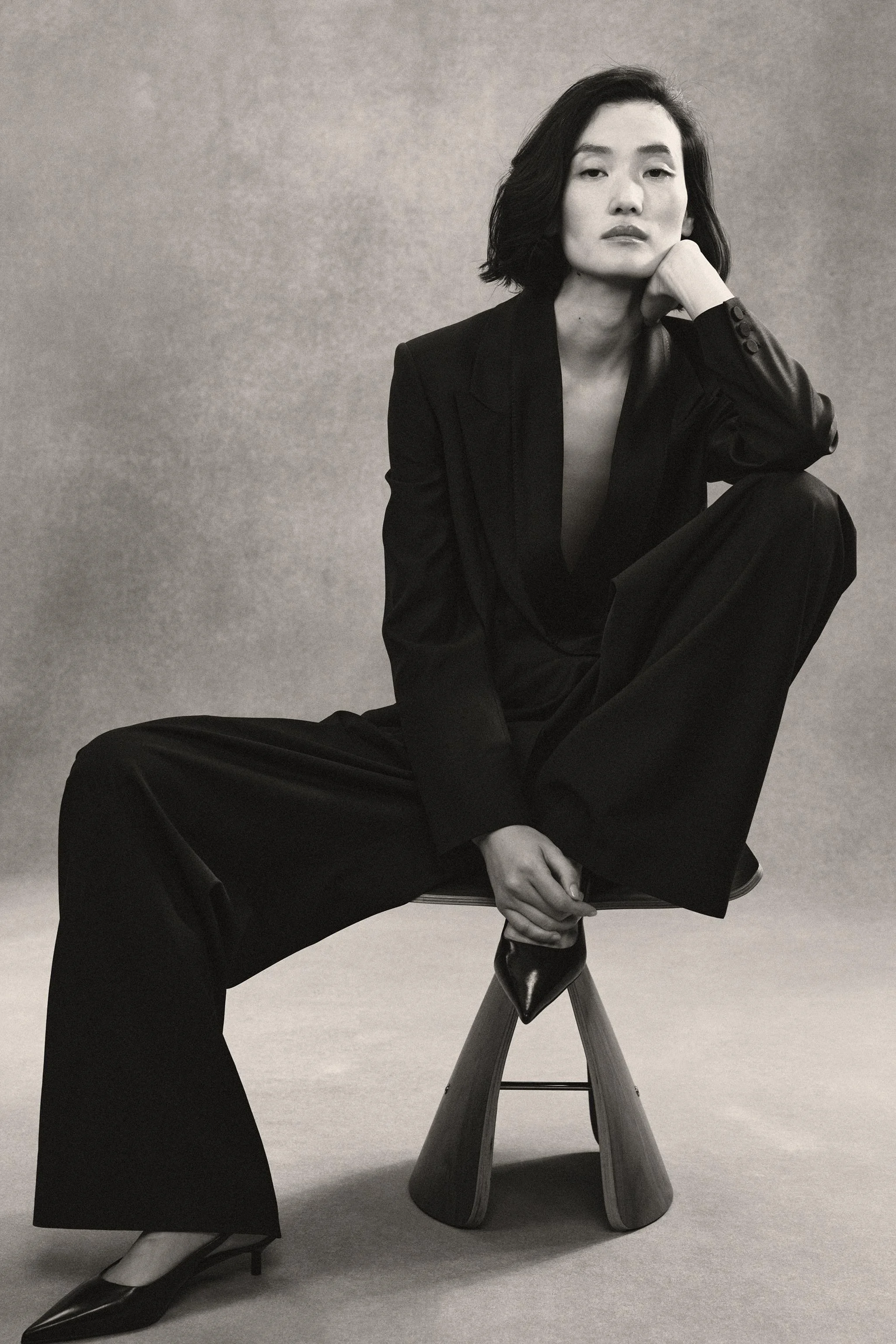
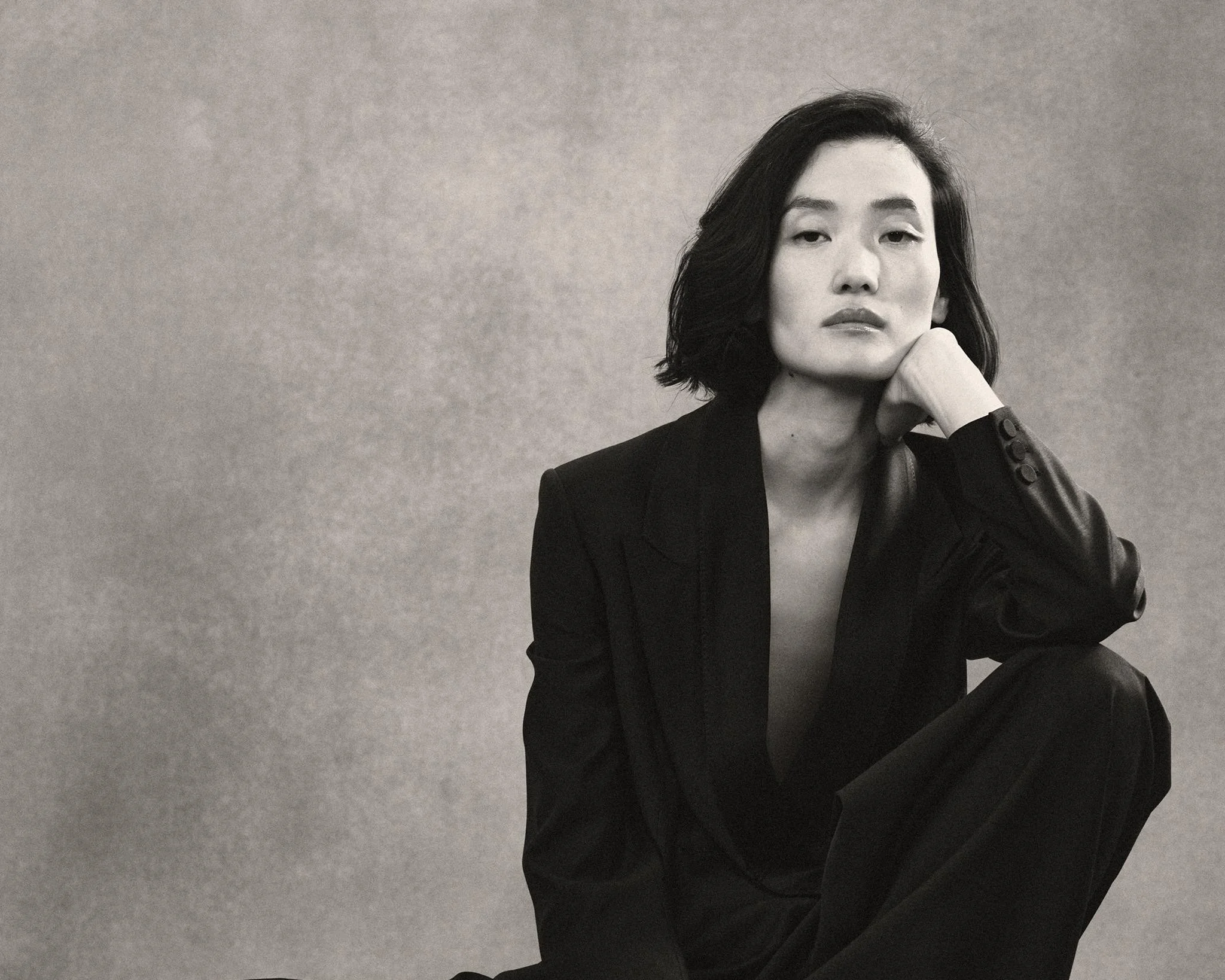
Image: Soshi Otsuki
Quiet luxury isn’t a passing trend but a reflection of an enduring archetype defined by depth, discipline, and discernment.
Quiet luxury has quickly entered the cultural vocabulary, often described in visual terms—neutral palettes, minimal branding, understated silhouettes—and framed as a response to extravagance. But this interpretation is incomplete. The language may be contemporary, but the logic is not.
What is being called quiet luxury is not a trend, but the reappearance of a recurring archetype—one that surfaces across generations under different names, consistently resonating with a particular sensibility. This archetype can be understood as Essentialism: a preference for moderation over excess, depth over display, and permanence over novelty.
While this orientation extends far beyond fashion or design, luxury has long served as one of its most visible expressions. What we are witnessing, then, is not the rise of something new, but the renewed recognition of an enduring ideal.
This is the nature of archetypes. To understand its persistence, it is necessary to examine how it has been sustained and expressed across eras and cultures.
Join The Parlor
Subscribe for complimentary access to our digital salon of exclusive articles and premium resources on luxury and elevated living.
Lineage within modern luxury
The concept of “less is more” is often framed through a European lens, yet its foundations are far broader. It reflects multiple cultural traditions that converge on a shared principle: reduction reveals meaning. One of the most fully realized expressions of this idea can be found in Japanese philosophy. Concepts such as Wabi-sabi and Ma emphasize simplicity, material sensitivity, and the deliberate use of absence.
Instead of filling space, they honor it. Instead of refining by addition, they rely on subtraction. The result is an aesthetic that feels composed, balanced, and complete. This is not minimalism as a surface-level style, but a deeper orientation that centers only what is necessary.
A parallel logic appears within European traditions, particularly at the turn of the twentieth century, where restraint became associated with power. In aristocratic contexts, stealth wealth was communicated through strict comportment rather than overt exhibition. Coco Chanel played a pivotal role during this period, reshaping modern dress by removing ornamentation and establishing simplicity as sophistication.
In contemporary luxury, this convergence is clearly visible. From Helmut Lang and Jil Sander in the 1990s to Khaite and The Row today, many expressions of quiet luxury reflect a long-standing approach that has been continuously refined.
These perspectives did not originate from a single source, nor did they evolve in isolation. They represent distinct cultural expressions of the same underlying philosophy. Different societies, across time, have arrived at the same conclusion: what is significant endures; what is superfluous does not.
The archetype of essentialism
The persistence of this sensibility cannot be explained by history alone. Its appeal lies in the archetype it expresses. Essentialism, in this context, is not simply about reduction, but alignment—engaging with what matters while eliminating what does not.
Psychologically, it offers a counterbalance to saturation. In environments defined by constant input—visual, informational, social—there is a growing preference for what feels complete. Clean lines, controlled palettes, and meticulous detail create order, allowing the object to be experienced without distraction.
There is also a signaling dimension. As Thorstein Veblen observed, purchasing has long functioned as a form of communication. His concept of conspicuous consumption described the overt display of wealth. What emerges here is its inverse: inconspicuous consumption, where value is discreetly conveyed through quality.
This is why it resonates with a particular audience. It appeals to those less interested in broadcasting status and more concerned with embodying significance—those who favor longevity over immediacy, and who understand taste as a form of intelligence rather than performance.
Because it reflects a consistent psychological pattern, it does not depend on cycles for relevance. It remains because the archetype itself persists.
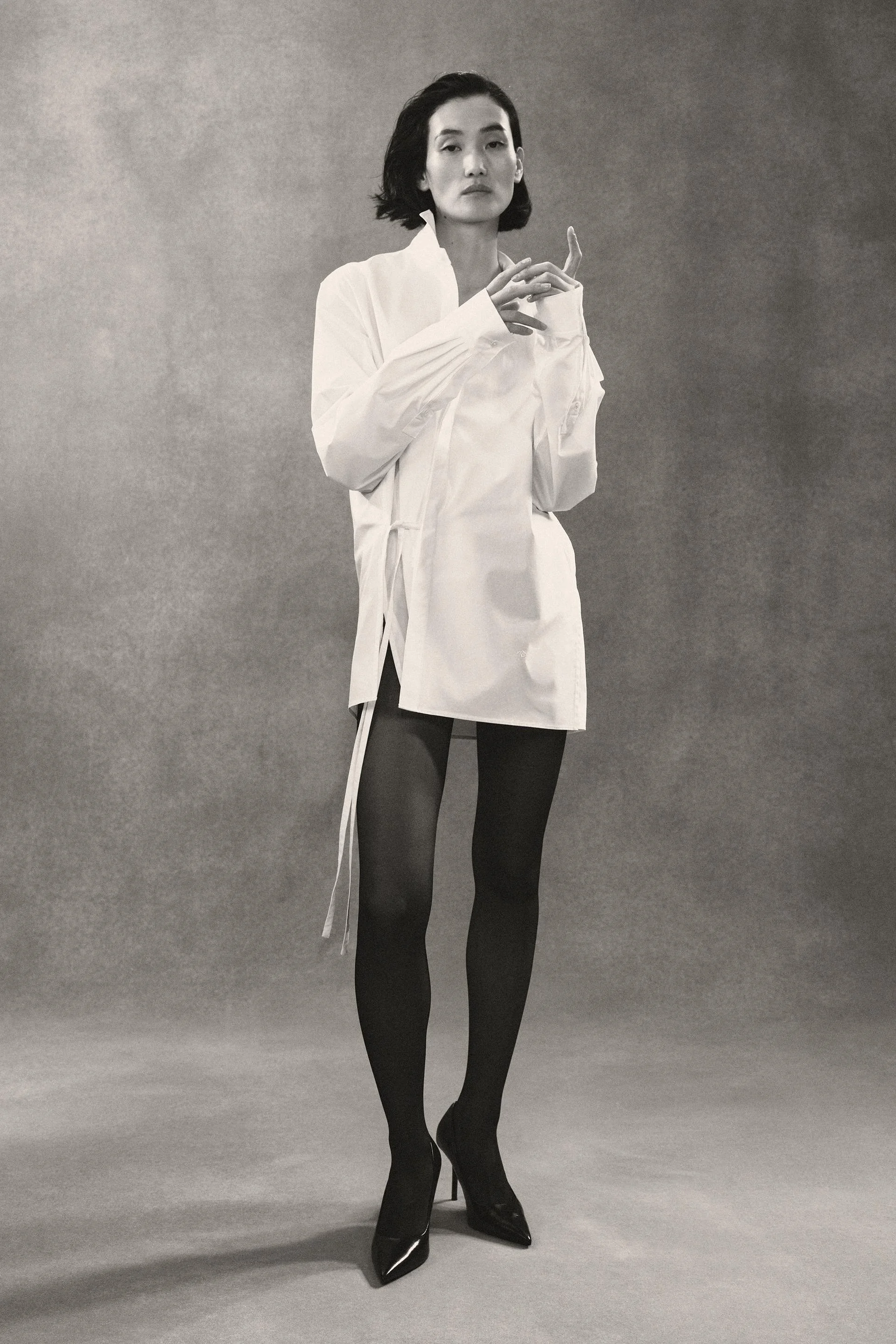
Image: Soshi Otsuki
Why simplicity is enduring
Simplicity within luxury is not a limitation. It is a framework that supports longevity and sustained utility. Its defining trait is effortlessness—a state of ease where nothing feels forced. This quality leverages mastery to diminish complexity. What remains has been refined to the point where it no longer needs to prove itself.
Closely related is timelessness. By reducing reliance on trend-driven elements, this approach extends its relevance. Shapes remain stable, palettes consistent, and products do not require constant reinvention.
Simplicity also shifts attention toward material and craftsmanship. With fewer decorative elements, quality becomes more apparent. Fabric, construction, and proportion take precedence, allowing the object to stand on its own.
From a strategic perspective, this enables cohesion and control. A restrained visual language is easier to sustain across categories and over time. It supports continuity, reinforces identity, and reduces the risk of dilution.
The future of quiet luxury
The phrase quiet luxury will likely evolve, as widely used terms tend to do. As it becomes more diffuse, it will lose precision and eventually be replaced by new language. But the underlying sensibility will remain. What it has brought into focus is not a new direction for luxury, but a renewed recognition of an enduring archetype. Essentialism will continue to resonate with those drawn to it.
The future of quiet luxury is not a question of whether it will persist. It already has. What matters more is how brands respond to its visibility. As the term gained momentum, many—across categories—moved quickly to adopt its surface codes. In doing so, they treated it as a style to apply, rather than a philosophy to embody. This is where the misstep occurs.
Within luxury, aesthetics cannot be separated from identity. A restrained visual approach only carries meaning when supported by the underlying structure of the brand. Without this foundation, simplicity does not read as refinement. It reads as imitation.
This is why discernment matters. Not every brand is meant to express Essentialism. Some are built on exuberance, ornamentation, or cultural intensity. When those brands adopt a pared-back approach without alignment, they dilute their distinctiveness rather than elevate it. In luxury, where value is derived from consistency and coherence, this kind of misalignment weakens perception over time.
The implication is not that brands should resist change, but that they should be selective in what they adopt. Trends can serve as signals, but only when they reinforce what already exists within the brand’s ethos. The most enduring houses do not chase them. They refine what is already true.
The future of quiet luxury, then, is not about wider adoption, but sharper understanding. For those aligned with this archetype, it will remain a powerful mode of expression. For others, it serves as a reminder that luxury is not defined by any single aesthetic, but by the integrity with which it is executed.