Why Luxury is a Frequency
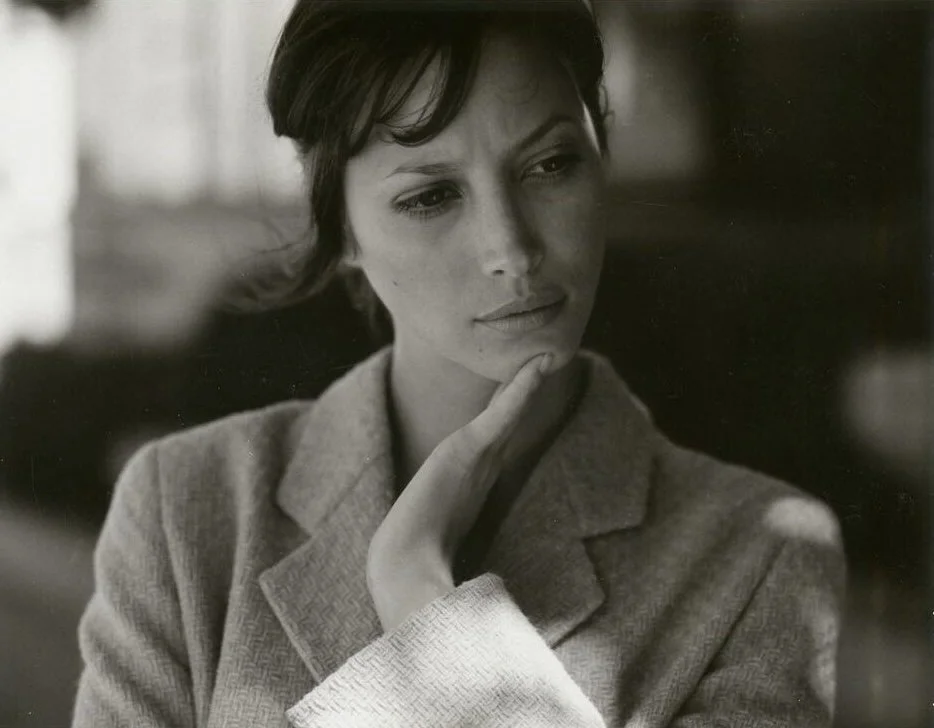
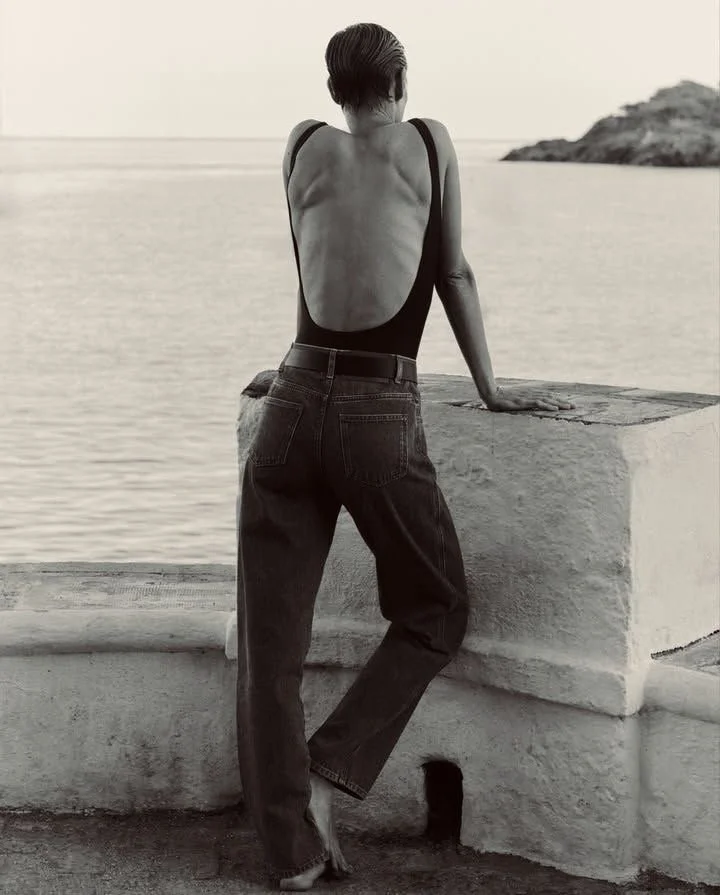
Image: Model Christy Turlington
Luxury is not indulgence in excess but a reflection of inner essence, arising from a high frequency of thoughts, emotions, and habits.
Luxury is often misunderstood as a category of expensive goods: couture garments, fine jewelry, rare wines, or five-star hotels. Yet many people who possess these things do not necessarily live luxuriously. The qualities that actually make a luxurious life cannot be purchased directly. They arise from something deeper: a cultivated relationship with how you think, speak, and act.
Across history, philosophers and cultural observers have recognized that the experience of quality in life depends as much on internal disposition as external circumstance. Classical philosophy emphasized the cultivation of character and taste as prerequisites for a refined life, while modern sociological theory has shown that lifestyle patterns emerge from deeply internalized habits and expectations.
Many people attempt to simulate luxury through visible symbols like expensive purchases, curated aesthetics, and displays of status, while their internal state remains disordered and misaligned. But when internal orientation and external environment become in sync, something significant shifts. Luxury stops being a performance and becomes an authentic way of living.

Join The Parlor
Subscribe for complimentary access to our digital salon of exclusive articles and premium resources on luxury and elevated living.
A Luxury Sensibility
Long before luxury became a consumer category, it was associated with the refinement of life itself. In classical philosophy, the cultivation of the self was considered central to living well. Aristotle’s philosophy of virtue, for example, emphasized that excellence is not an isolated act but a habit formed through repeated choices. The quality of life, in this framework, reflects the quality of one’s character and choices.
Historically, cultures of refinement placed enormous emphasis on the development of taste before the acquisition of objects. European salon culture valued meaningful conversation, intellectual curiosity, and aesthetic sensitivity as markers of sophistication. Royal and aristocratic traditions emphasized etiquette, composure, and cultivation alongside material beauty.
Luxury, in earlier eras, was not reduced to possessions but referred to an elevated way of inhabiting life—one characterized by depth, discernment and distinction. What distinguished individuals was not merely wealth, but their sense and sensibility.
The Luxury Standard
French sociologist Pierre Bourdieu introduced the concept of habitus to describe the deeply internalized patterns through which individuals perceive, evaluate, and behave within the world. According to this theory, lifestyle choices—ranging from taste in art to preferences in food or design—are not random decisions but expressions of internalized dispositions.
People tend to recreate environments that feel consistent with their internal conditioning. If your self-concept is low-grade, even lovely experiences will seem incongruous and uncomfortable. Conversely, when you cultivate high-quality traits, these same qualities will appear as natural aspects of your life.
What many people call “luxury” is actually more than an upgrade in material conditions. It is the outward manifestation of an orientation toward life. Your lifestyle stabilizes at the level of the standards you set, but this goes beyond how much you spend on things. It is the extent to which you pursue truth, beauty, and goodness.
Luxury as Identity
Current culture often blurs the distinction between embodying luxury and status signaling. Luxury brands are frequently used as visible markers of wealth or belonging. Conspicuous purchases of recognizable status symbols serve as social signals intended to communicate prestige or success.
But signaling can be imitated without truly owning the sensibility. Surface-level luxury tends to be driven by comparison. It prioritizes visibility and external validation. Its focus is often on recognition—ensuring that others can see and identify the glaringly obvious cues on display.
Embodied luxury operates differently. It is guided by acumen and discretion and its markers are often subtle: quality materials, thoughtful environments, poised presence, graceful manners. Luxury is not an image to portray but a lived identity.
Luxury as Frequency
The idea of “frequency” can be understood as a metaphor for the patterns of thought, emotion, and behavior that shape your daily experience of life. In psychology, emotional states strongly influence consciousness. Calm individuals make different choices than chaotic ones. People who operate from gratitude perceive opportunities that those operating from scarcity often overlook.
Over time, these patterns accumulate and shape how life is perceived and experienced. A person who feels and exudes more elevated emotions—such as inspiration, appreciation, and admiration—tends to create more uplifting conditions in their life. Someone functioning in a negative emotional state, often creates the opposite.
Seen in this way, raising one’s “frequency” means elevating the patterns that influence not only personal experience but also the environments and opportunities that gradually emerge. This includes:
Thoughts that are precise, perceptive, and expansive
Emotions that cultivate hope, gratitude, and serenity
Words that are focused, composed, and measured
Habits that support order, consistency, and progress
Sustained over time, these develop a particular constellation of internal traits that gradually strengthen character and give rise to a more empowered state of being.
The Architecture of Luxury
If luxury is understood as a frequency, it is not maintained purely through indulgence but through investment in a wholistic and cohesive philosophy. Decisions must be organized around a consistent worldview—one that directs attention, guides the allocation of resources, and shapes how energy is expended. In practice this can be expressed through a set of core principles
LUXURY AS CHOICE
Luxury begins where necessity ends. It emerges in the space where one is no longer purely reactive to circumstance, but able to make conscious selections. Even small choices—how one starts the day, what one allows into their mental space, what one refuses—shape the texture of life.
LUXURY AS DISCERNMENT
Discernment is the ability to distinguish between what is merely available and what is truly aligned. A luxurious life is not cluttered with excess commitments, possessions, or inputs. It is edited. This curation is not deprivation; it is refinement.
LUXURY AS REVERENCE
To live luxuriously is to treat life with integrity—to recognize that time, energy, and attention are finite and valuable. This reverence naturally leads to care: care in how one works, rests, speaks, consumes, and relates. Luxury, in this sense, is a form of respect.
LUXURY AS TIME
Time is the most fundamental luxury. Not free time in abundance, but unfragmented time that is not constantly interrupted, rushed, or depleted. A luxurious life protects temporal sovereignty. It prioritizes rhythms that allow for presence rather than perpetual urgency.
LUXURY AS PEACE
Luxury is the presence of inner calm. It is a life no longer governed by urgency, internal conflict, or misalignment. Peace, in this sense, is not passive—it is the outcome of living in accordance with one’s values, with minimal friction between intention and action.
LUXURY AS AUTONOMY
Perhaps most importantly, luxury is the capacity to author one’s own life. It resists inherited scripts and external pressures in favor of internally defined values. It asks not, “What should I want?” but “What matters to me?” This authorship is subtle, but powerful.
The Luxury Lifestyle
When the internal foundations of luxury are absent, attempts to create an elevated life often feel strangely incomplete, unsustainable, and unfulfilling. Trying to configure luxury through shallow upgrades may appear impressive to some, but beneath the surface the experience rarely delivers the depth that true refinement provides.
Without an underlying philosophy to orient life, the elements of luxury remain fragmented—beautiful perhaps, but disconnected from genuine prosperity. That’s because luxury is not a collection of exceptional things, but the presence of coherence. It is not decoration but transformation—turning material elements into conduits for meaning and ascendance.
The resources that follow are designed to encourage reflection, and offer an opportunity to consider how the principles explored throughout this essay may be embodied.
Reflections
In what areas of your life do appearances of luxury exist without the internal coherence that sustains them?
What standards currently guide your decisions about how you spend your time, attention, and resources?
Which elements of your environment genuinely elevate your experience of life, and which merely signal status or aspiration?
Where might greater discernment transform the quality of what you choose to include in your life?
How well do your daily habits reflect the level of refinement you wish your life to embody?
If luxury is frequency rather than accumulation, what aspects of your life feel aligned—and what still feels fragmented?
Readings
The Philosophy of Luxury (Viveura)
Explores luxury as a philosophical orientation rather than material excess, emphasizing discernment, intentional choice, autonomy, and reverence for time and quality as the foundations of an elevated life.
Material Cultures: Why Some Things Matter (Daniel Miller)
Explores how objects become deeply connected to identity, relationships, and cultural meaning rather than simply functioning as possessions.
The Concept of Habitus (EBSCO)
Introduces the sociological concept of habitus by French sociologist Pierre Bourdieu: the internalized dispositions that shape perception, taste, behavior, and lifestyle choices over time.
Luxury Signaling and Status Perception (APA)
Explores how consumers use luxury goods as signals of identity and status, and how such signals can be imitated without possessing the underlying cultural capital.
Measuring the Frequency of Emotions(Rahm, et al.)
Examines how the frequency of positive and negative emotional experiences relates to subjective well-being and overall life satisfaction.
The Spirit of Luxury (Armitage & Roberts)
Examines luxury as a cultural and philosophical concept that extends beyond material goods into identity, aesthetics, and social meaning.