Distinction
What happens when you begin to treat your time, attention, and presence as something truly valuable? In this reflection on personal distinction, we explore the benefits of rarity.
We live in a society that equates visibility with value. The more noticeable you are, the more frequently you appear, the more relevant you are assumed to be. Social and digital practices reinforce this logic relentlessly: post more, share more, stay current, see and be seen.
Familiarity is constantly framed as connection, and proximity is mistaken for intimacy. And most people internalize this idea without question. They believe that being “always on” makes them likable, that being easy to reach makes them indispensable, and that being everywhere ensures they will not be forgotten.
Even celebrity culture reinforces this distortion—where the prevailing wisdom suggests that it does not matter whether attention is positive or negative, as long as you are being talked about. But what this way of thinking overlooks is human psychology: what expands reach can erode reverence.
In economics, this phenomenon is called the law of diminishing returns: the point at which more of something produces less impact. The same principle applies to human presence. When access becomes unlimited, attention wanes. When closeness is endless, appreciation fades.
Research in social psychology consistently shows that scarcity increases perceived worth—a principle most famously articulated by Robert Cialdini in Influence: The Psychology of Persuasion. At the same time, studies on hedonic adaptation demonstrate that repeated exposure reduces emotional response. What once felt special becomes normalized. What once felt meaningful ceases to be desired.
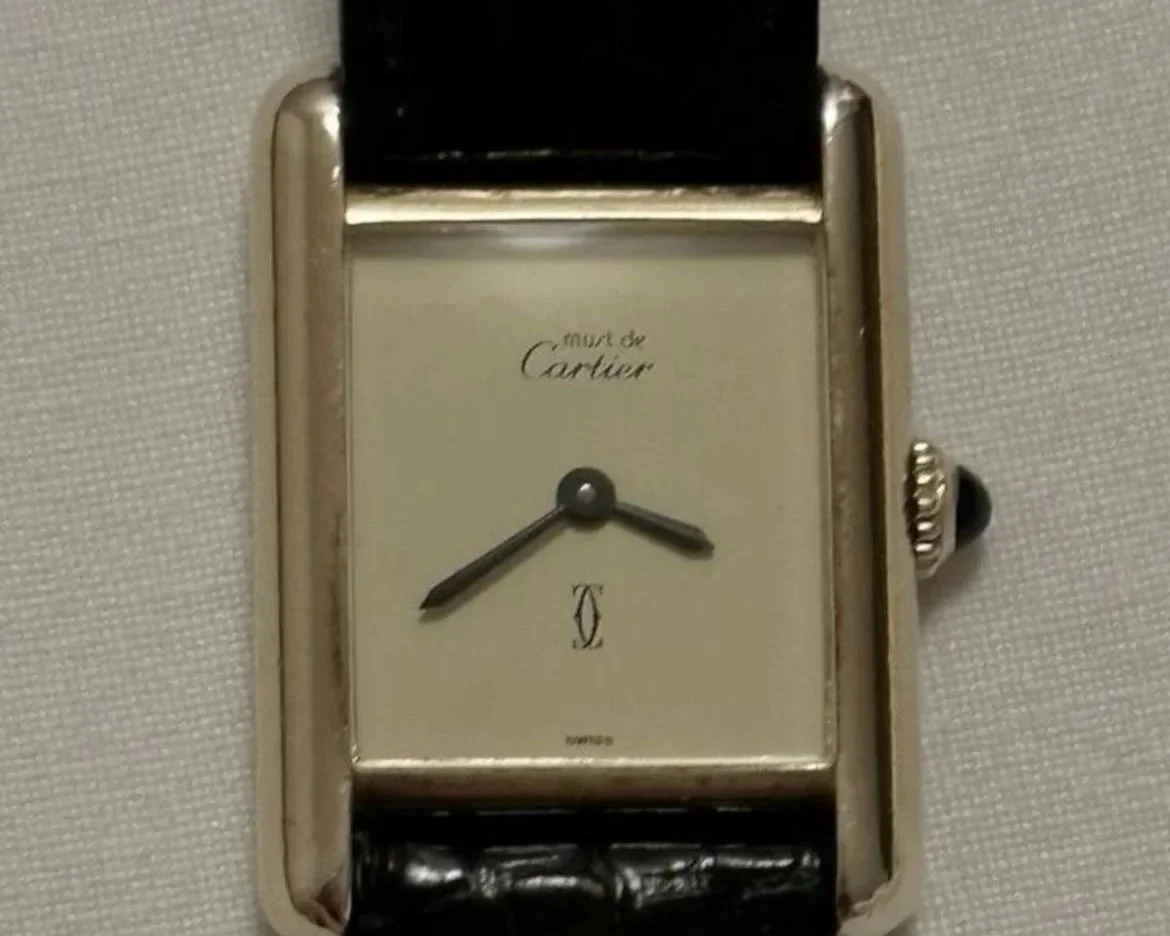
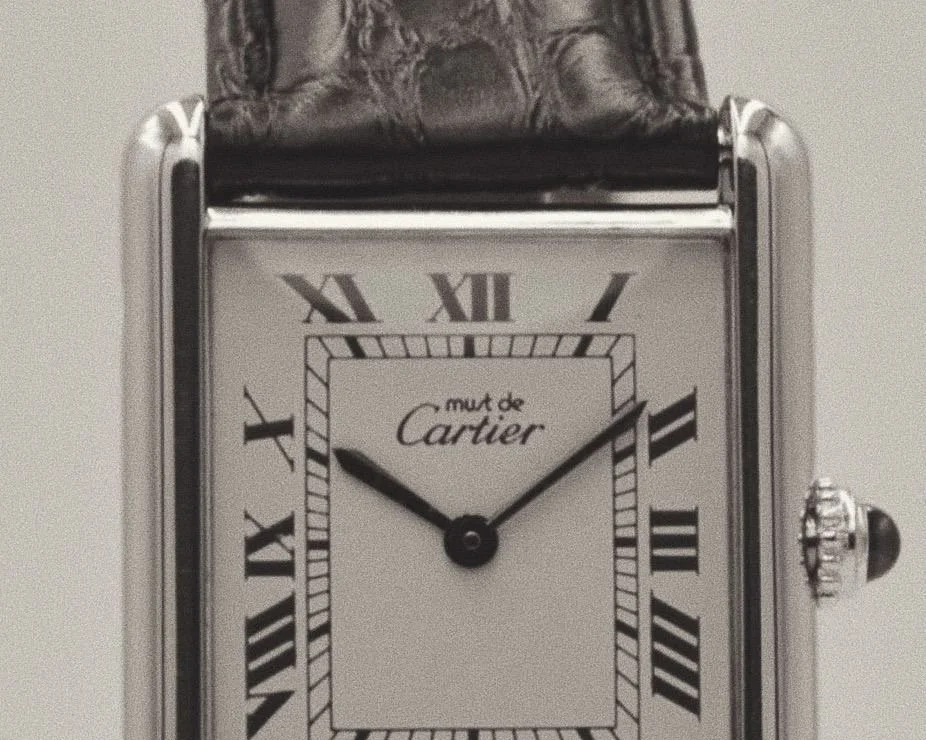
The luxury industry has always understood this. Consider how houses like Hermès and Chanel are able to thrive for centuries. Exclusivity is embedded in their ethos. Though these brands are iconic, they strategically gatekeep through limited goods, price barriers, client tiers, and mystique narratives
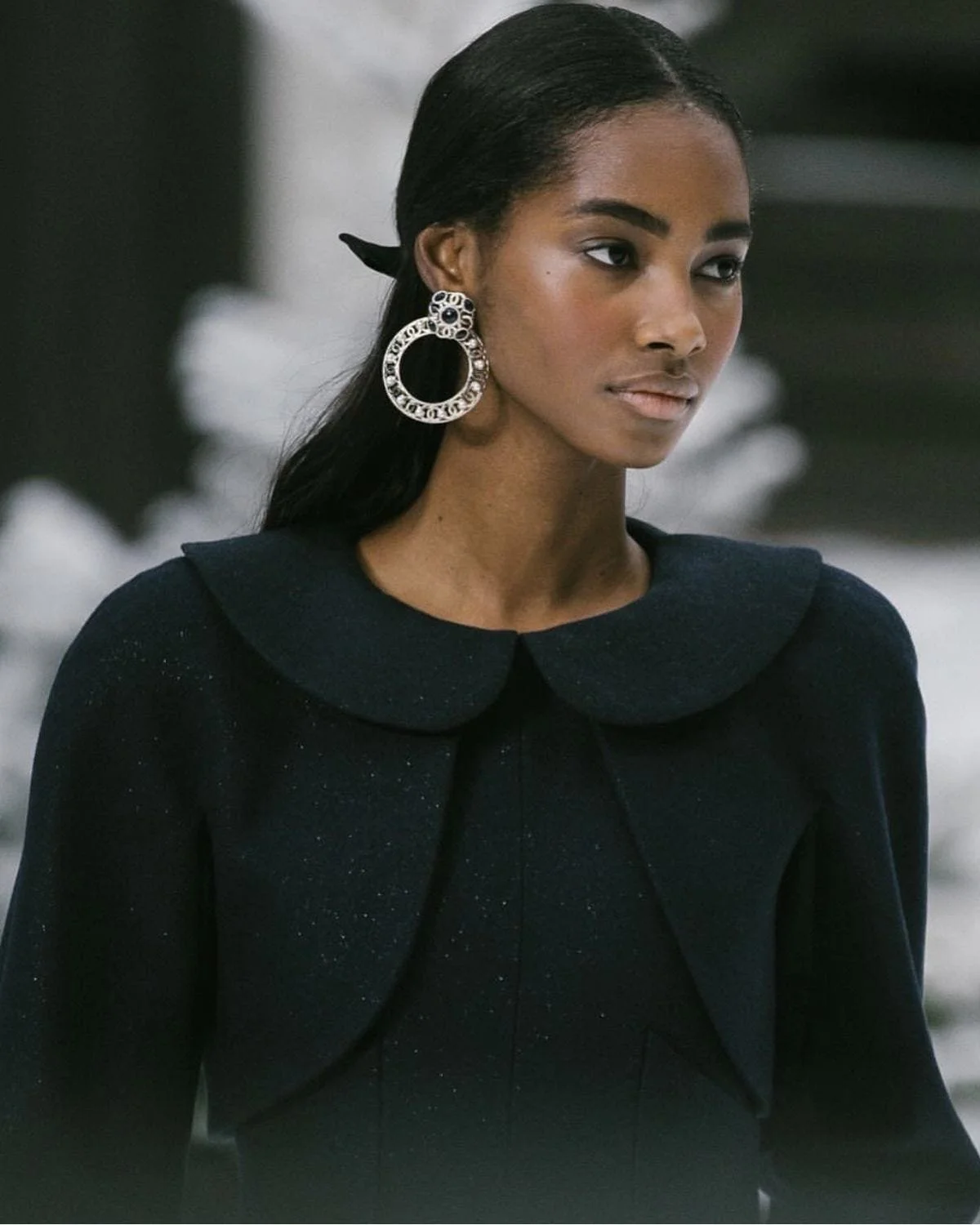
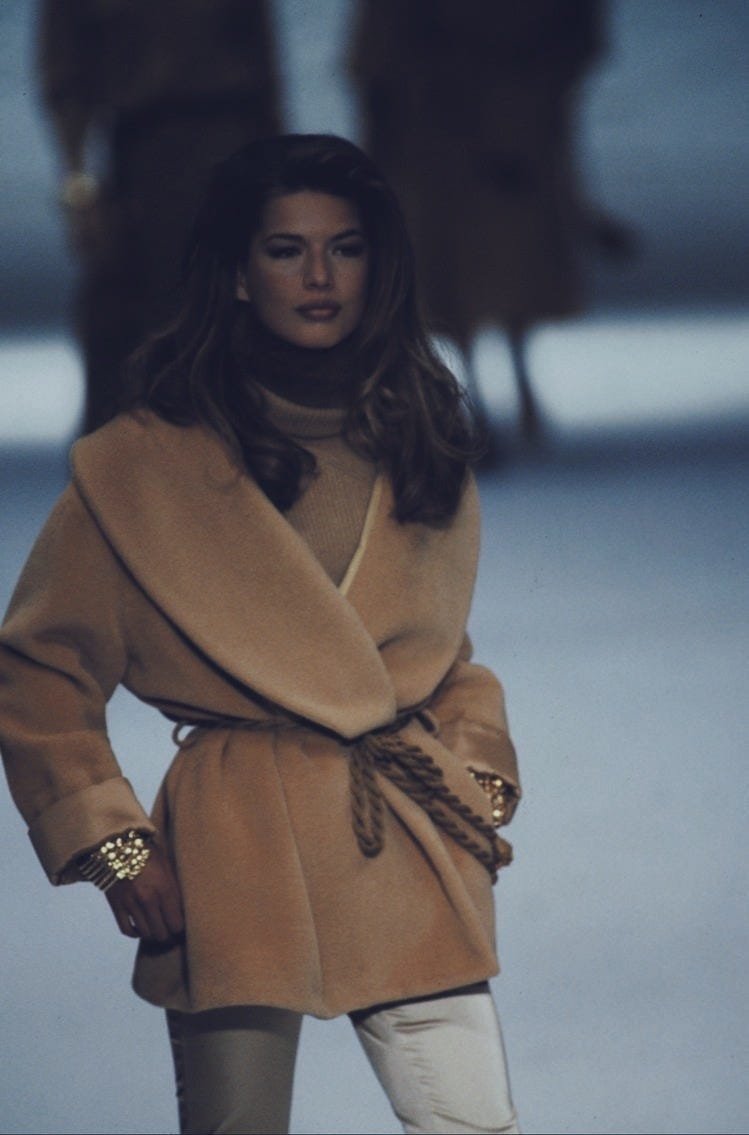

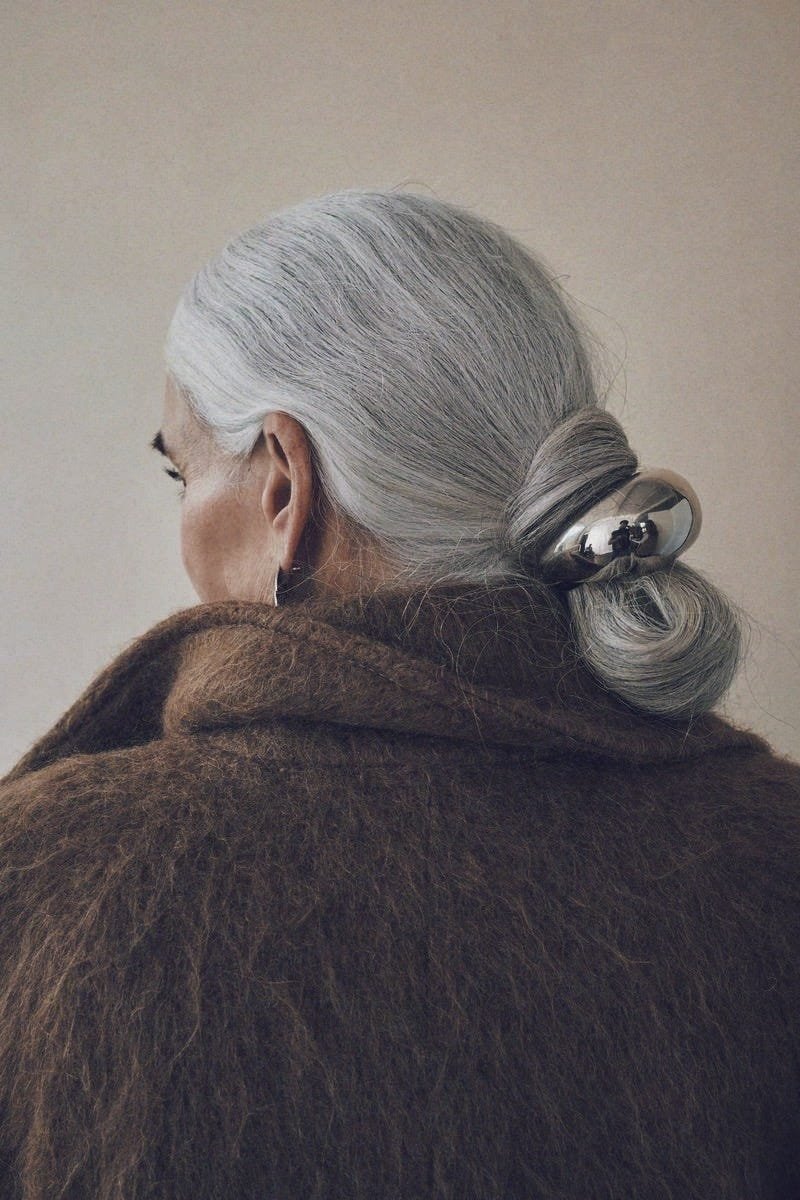

Luxury does not chase, it attracts. It does not overexplain, overshare, or overexpose. It maintains distance out of discernment. Not everyone is meant to participate, and that restraint is precisely what signals status and preserves value.
Historically, royalty and nobility also practiced the act of distinction and strategic distancing. They were not constantly accessible—not only out of a sense of superiority, but to prevent their authority from dissolving. Appearances were deliberate. Encounters were intentional. Separation protected their dignity.
In modern life, we have erased healthy boundaries and it is apparent. The principle of diminishing returns is especially evident in interpersonal dynamics. When people encounter you occasionally, they experience the best of you. There is novelty, a touch of mystery, and a natural curiosity about your life.
But when familiarity becomes excessive, friction follows. Bearing constant witness to every facet of someone’s personality invites comparison and critique. Minor irritations can compound, subtly hardening into contempt. And over time, respect fades.
This does not mean authenticity is a mistake. It means intimacy requires rhythm and space. Relationships need periodic breathing room to remain healthy. Absence allows affection to endure.
There are also times when complete separation is necessary and you must fully walk away from people, places, or situations where you are not honored. Remaining in any circumstance or environment that diminishes you compromises your sovereignty and self-worth.
Making yourself scarce is an act of self-respect. It begins by rebranding yourself as a luxury rather than a commodity. Commodities compete for attention, saturating the market to remain relevant. They are interchangeable, endlessly available, and easily replaced.
Luxury is different. It does not seek validation. Its value is not created through repetition, but through discretion. When you begin to see yourself this way, your behavior will naturally follow:
Be discerning with access—Choose selectively where your time, energy, and attention go. Do not make yourself endlessly available or immediately responsive.
Be willing to withdraw—Remove yourself fully from any dynamic that drains your energy or lacks respect.. Luxury does not linger where it is undervalued.
Be intentional about what you reveal—You are not required to place every part of your life on display. Cultivate the discipline of moving quietly.