Flow

Wu-wei is the ancient Chinese practice, and tenet of Daoist philosophy, of not taking any action that is not in alignment with the natural course of the universe.
Though wu-wei translates to "doing nothing," you can think of it as the art of letting things happen or "actionless action." It is not passivity, apathy, or disengagement. Rather, it is a state of attunement: moving when movement is called for, and refraining when force would only create friction. It is swimming with the current instead of against it, trusting that there is an intelligence to life that does not require constant interference.
This is a mentality of doing less to achieve more, and it invites you to release anxiety by learning to thrive instead of strive. When you are aligned with the natural rhythm of things, effort softens. Decisions feel easier. You’re no longer bracing against reality but cooperating with it.
In strive mode, a significant amount of energy is expended trying to force outcomes or resisting what is already unfolding. There is tension, urgency, and a constant sense that something must be fixed, accelerated, or controlled. You can be successful in this state, but it comes at a great cost and significant depletion of energy.
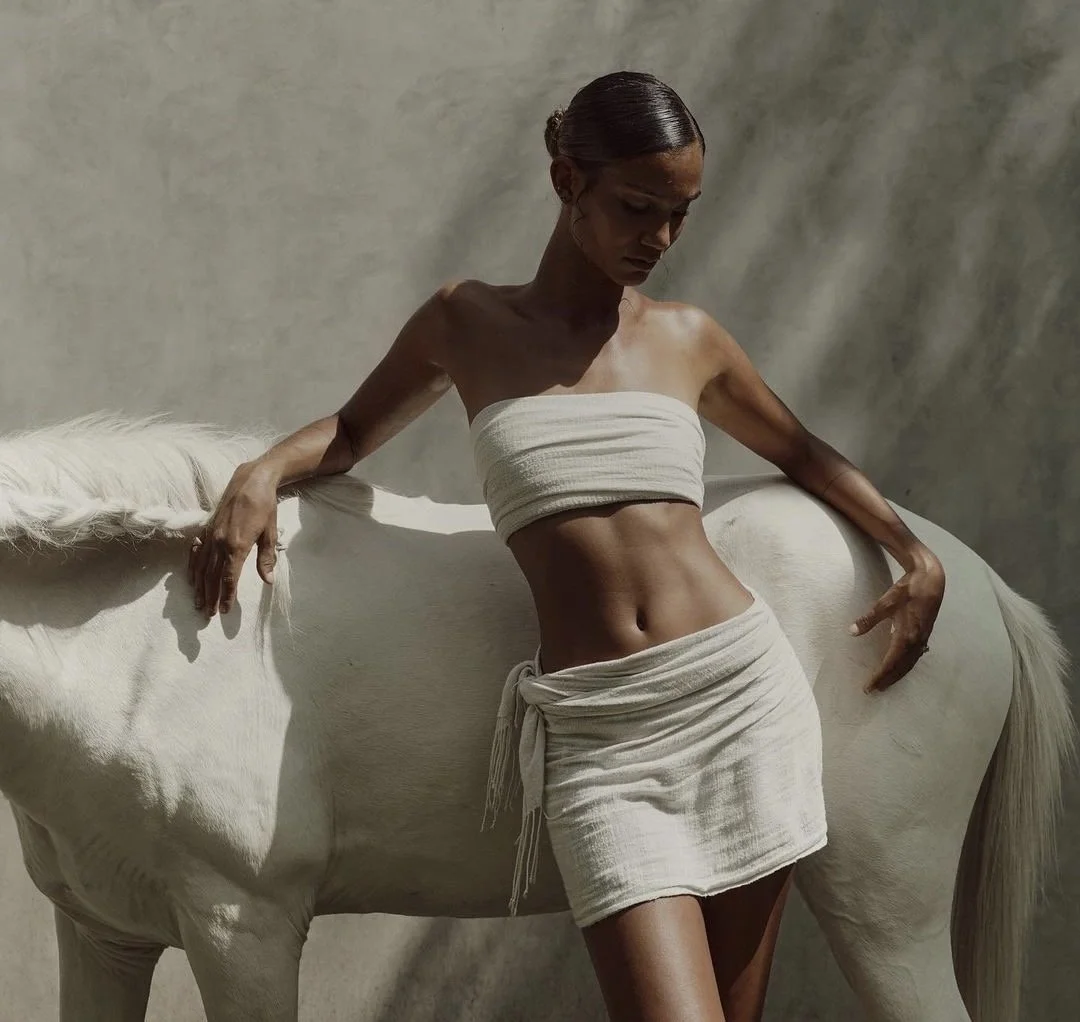
In thrive mode, you are like water—adaptive, responsive, and intelligent in your flexibility. Water does not argue with the terrain; it adjusts to it. And precisely because of this, it flows around obstacles or, when required, wears them down through patient but unwavering force—never rushed, never misdirected. It is a more efficient use of energy.
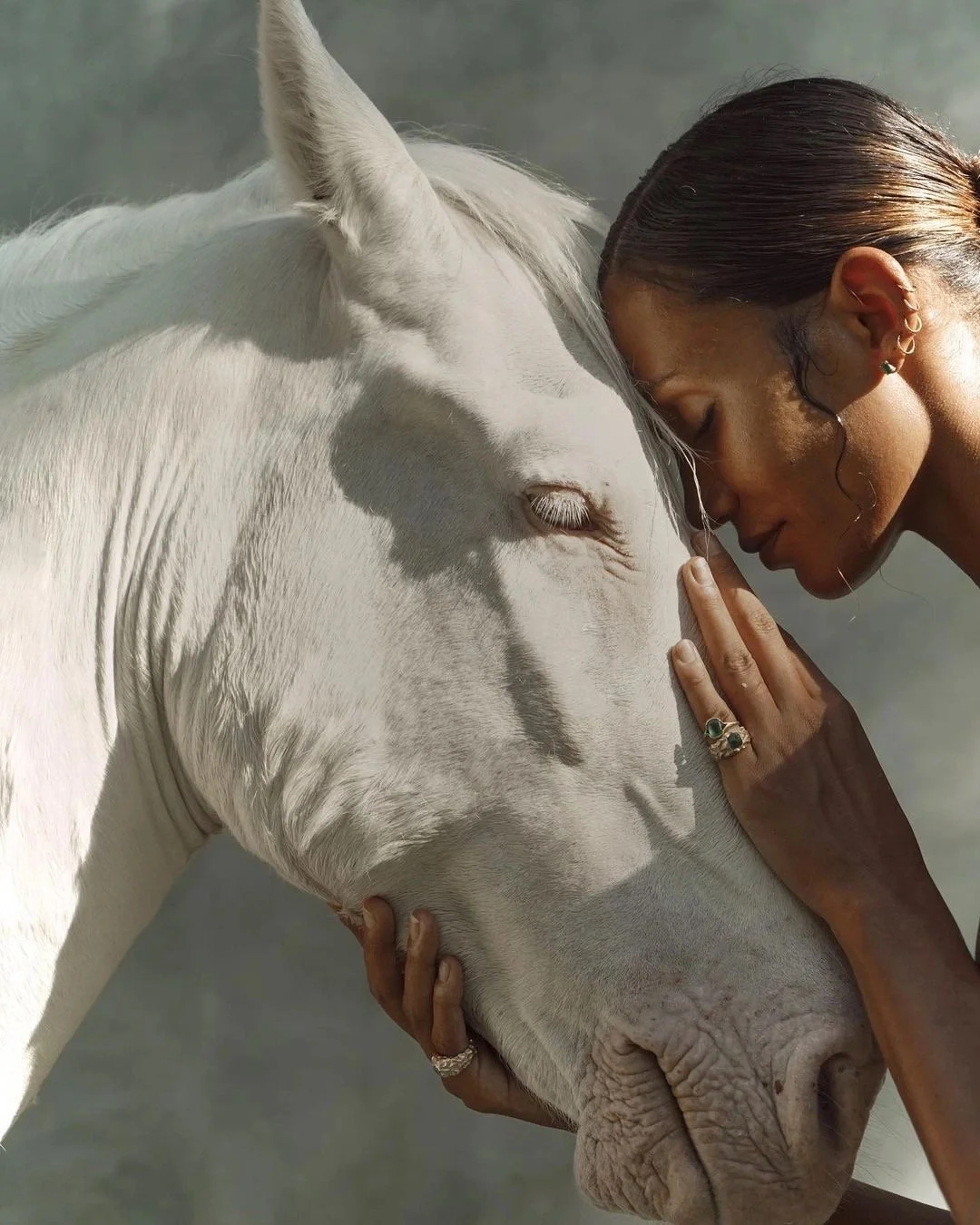
The philosophy of Wu Wei places you in a state of ease—not because nothing is happening, but because what is happening no longer feels like a battle. From this state, manifestation becomes less about effort and more about receptivity.
Letting go of outcomes is one of the most difficult aspects of Wu Wei. It is hard to release your grip when you are deeply invested in things going a particular way. It is hard to relinquish control when your identity, sense of worth, or safety feels tied to specific results.
Often, what we call taking control is actually fear masquerading as diligence. Wu Wei asks for a different kind of courage—the ability to trust that life can meet you halfway when you stop overreaching. To satiate the need to act, consider the mantra "do what you can but do no more." It's a balanced way of integrating We Wei by recognizing that you can influence but not always fully control what happens in life.
It honors effort without worshiping it. It gives you personal power without obsession. It acknowledges that while you can have intention, preparation, and exertion, you cannot micromanage life’s unfolding. Knowing when to stop is just as important as knowing when to begin.
This philosophy can also be understood through the lens of yin and yang. Wu Wei is inherently yin—receptive, yielding, intuitive. Yang, by contrast, is active, directive, and assertive. These forces are not opposites in conflict, but complementary energies that exist in dynamic balance.
A life governed entirely by yang becomes rigid and forceful; one governed only by yin can become stagnant. The wisdom lies in discernment—knowing when to step forward and when to step back, when to act decisively and when to allow space for things to resolve on their own.
Flow is not a state you chase. It emerges naturally when resistance dissolves. Wu Wei reminds us that sometimes the most powerful move is restraint, the most strategic choice is patience, and the deepest alignment comes not from doing more—but from knowing when enough is enough.


Resources
Quotes
“Nature does not hurry, yet all things are accomplished.” — Lao Tzu
“What you resist persists.” — Carl Jung
“Be like water making its way through cracks. Do not be assertive, but adjust to the object, and you shall find a way around or through it. If nothing within you stays rigid, outward things will disclose themselves.
Empty your mind, be formless. Shapeless, like water. If you put water into a cup, it becomes the cup. You put water into a bottle, and it becomes the bottle. You put it in a teapot, it becomes the teapot. Now, water can flow, or it can crash. Be water, my friend.” — Bruce Lee
Books
Flow: The Psychology of Optimal Experience by Mihaly Csikszentmihalyi
Legendary psychologist Mihaly Csikszentmihalyi's famous investigations of "optimal experience" have revealed that what makes an experience genuinely satisfying is a state of consciousness called flow. During flow, people typically experience deep enjoyment, creativity, and a total involvement with life.
Become What You Are by Alan Watts
The prominent Zen Buddhist scholar and author of The Wisdom of Insecurity draws on Taoism, Christianity, and other world religions to explore the dilemma of seeking your true self. In this collection of writings Alan Watts covers topics such as the challenge of seeing one's life "just as it is," the Taoist approach to harmonious living.
Trying Not to Try by Edward Slingerland
A deeply original exploration of the power of spontaneity — an ancient Chinese ideal that cognitive scientists are only now beginning to understand — and why it is so essential to our well-being. Edward Slingerland explains why we find spontaneity so elusive, and shows how early Chinese thought points the way to happier, more authentic lives.
ARTICLES
Wu-Wei: Doing Nothing (School of Life)
A Manifestation Framework (Viveura)
How to Be Like Water (Viveura)
Videos
Don't Force Anything (Alan Watts)
The Philosophy of Flow (Einzelgänger)
Eastern Philosophy: Wu-Wei (School of Life)
